+1.713.869.9939
[gtranslate]
UTC Overseas: The Experts in Crane Transport

UTC Overseas: The Experts in Crane Transport
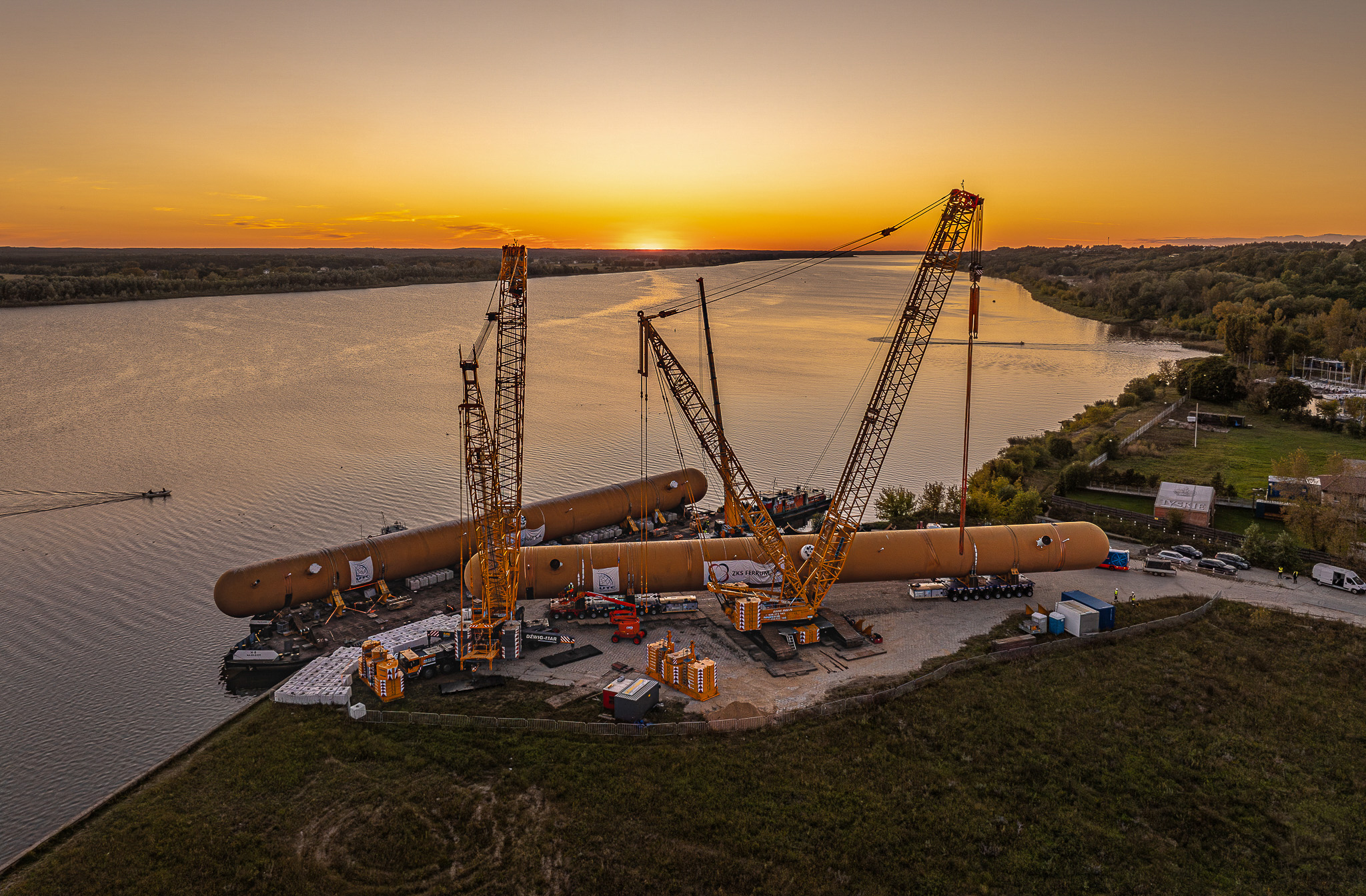
Heavy lift operation at sunset showing oversized LPG storage tank transport along river port

UTC Overseas

The Experts in Crane Transport
DJI_20251113123954_0049_D-HDR.jpg

Heavy Lift Specialists

The UTC Overseas Heavy Equipment division specializes in the transport of oversized and out-of-gauge machinery. With decades of experience and a dedicated focus on heavy equipment logistics, the team has successfully handled every type of crane transport, servicing major crane manufacturers as well as a worldwide network of dealers.

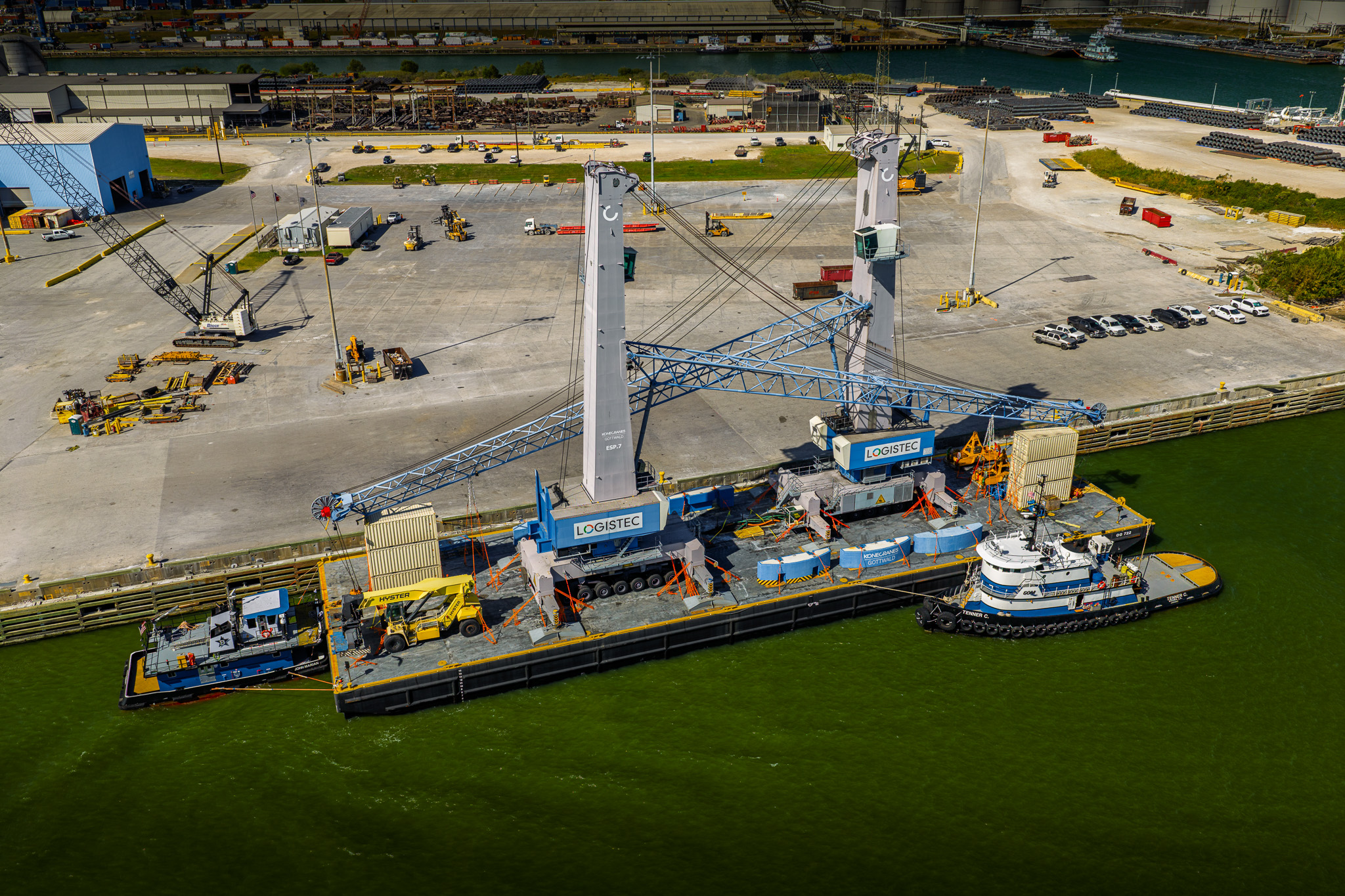
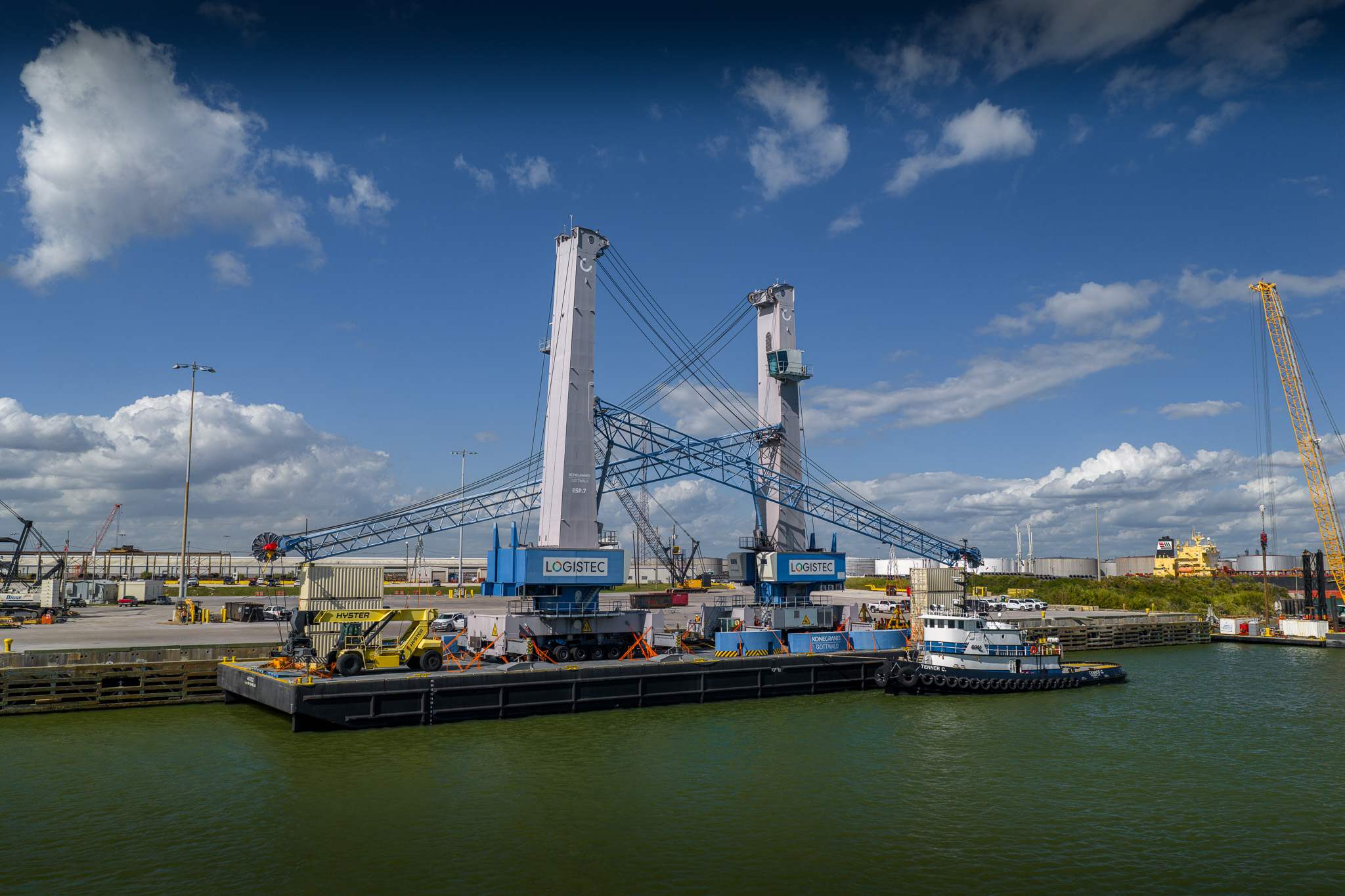
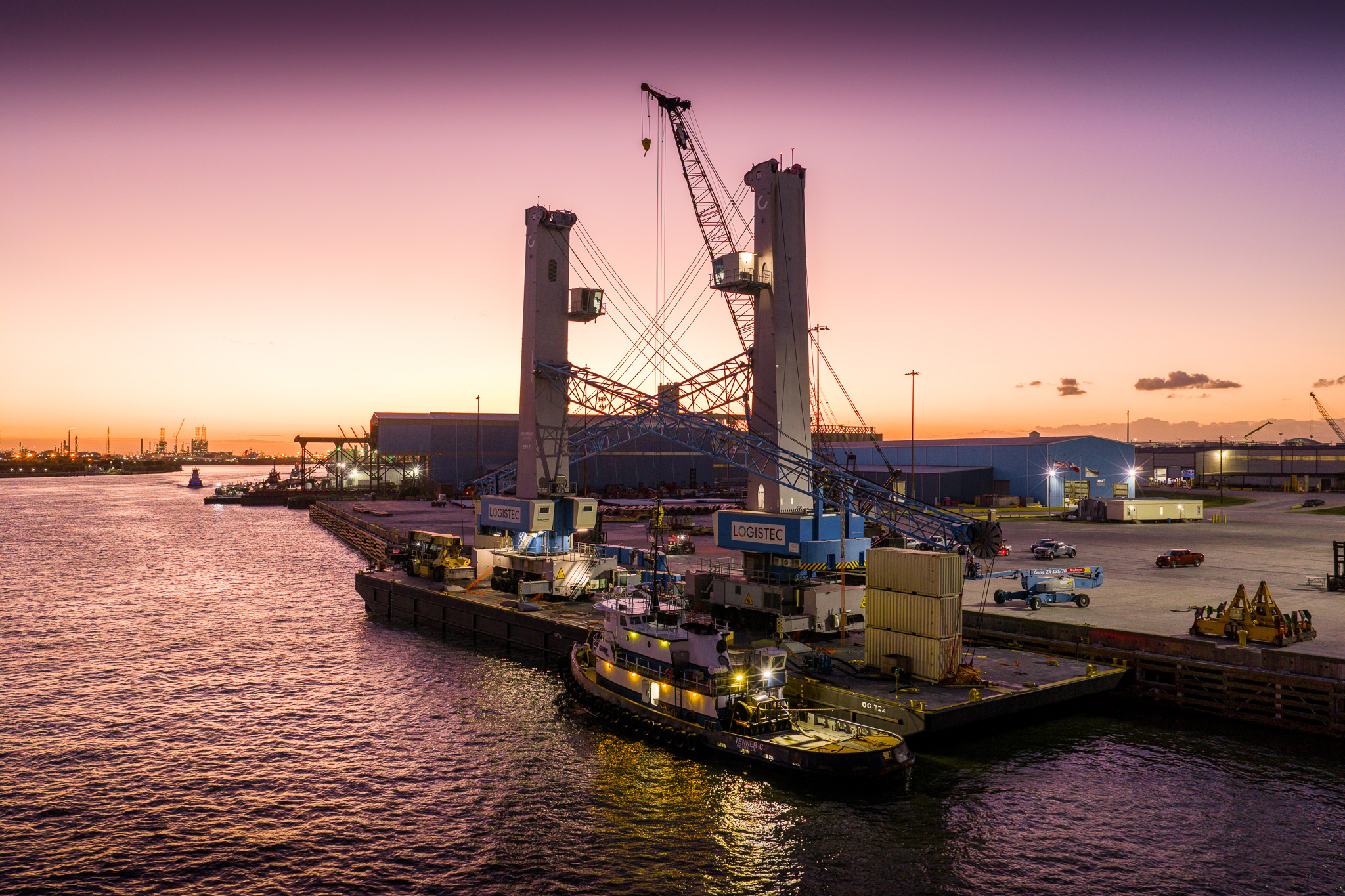
When a manufacturer wanted to move two mobile harbor cranes in the most expedient and cost-effective manner, they called on the experts at UTC Overseas HE to do the job. The cranes, along with a reach stacker—the three pieces together exceeding 700 metric tons—were slated to move from Tampa, Florida, across the Gulf to Houston, Texas.
UTC Overseas Heavy Equipment
UTC Overseas Transport

A Challenging Task

Transporting equipment of this scale presents significant logistical and engineering challenges. Traditional overland transport would have required full disassembly and reassembly, extending the timeline by weeks and involving multiple trucks—substantially increasing overall costs. By transporting the units fully assembled, UTC Overseas HE achieved considerable savings in both time and expense.

Additionally, the cranes—each weighing close to 360 metric tons—featured pre-welded tie-down points, leaving no margin for error in securing the cargo. Once loaded, cranes removed the counterweights, while measures to stabilize and restrict movement in transit were implemented to ensure the safety and integrity of the shipment.


Thinking Outside the Box

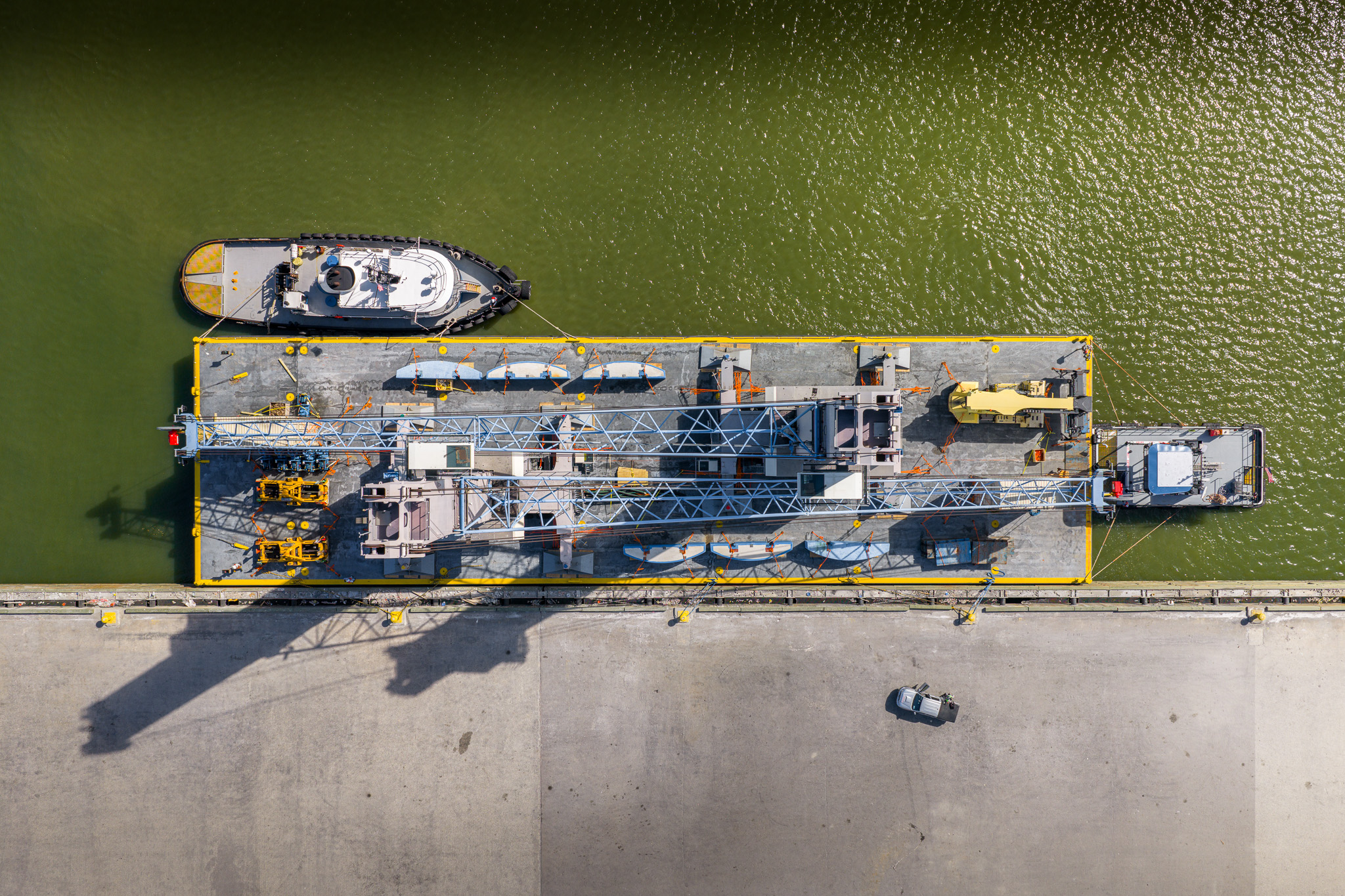
UTC Overseas developed a customized barge transport solution that allowed all equipment to be moved fully assembled. Custom-engineered ramps enabled the cranes and reach stacker to be driven directly onto the barge.

Continuous ballasting was used to maintain stability throughout loading, transit, and discharge. This was especially critical when handling multiple cranes and a reach stacker, as even minor imbalances could create hazardous listing and risk damage to the equipment.
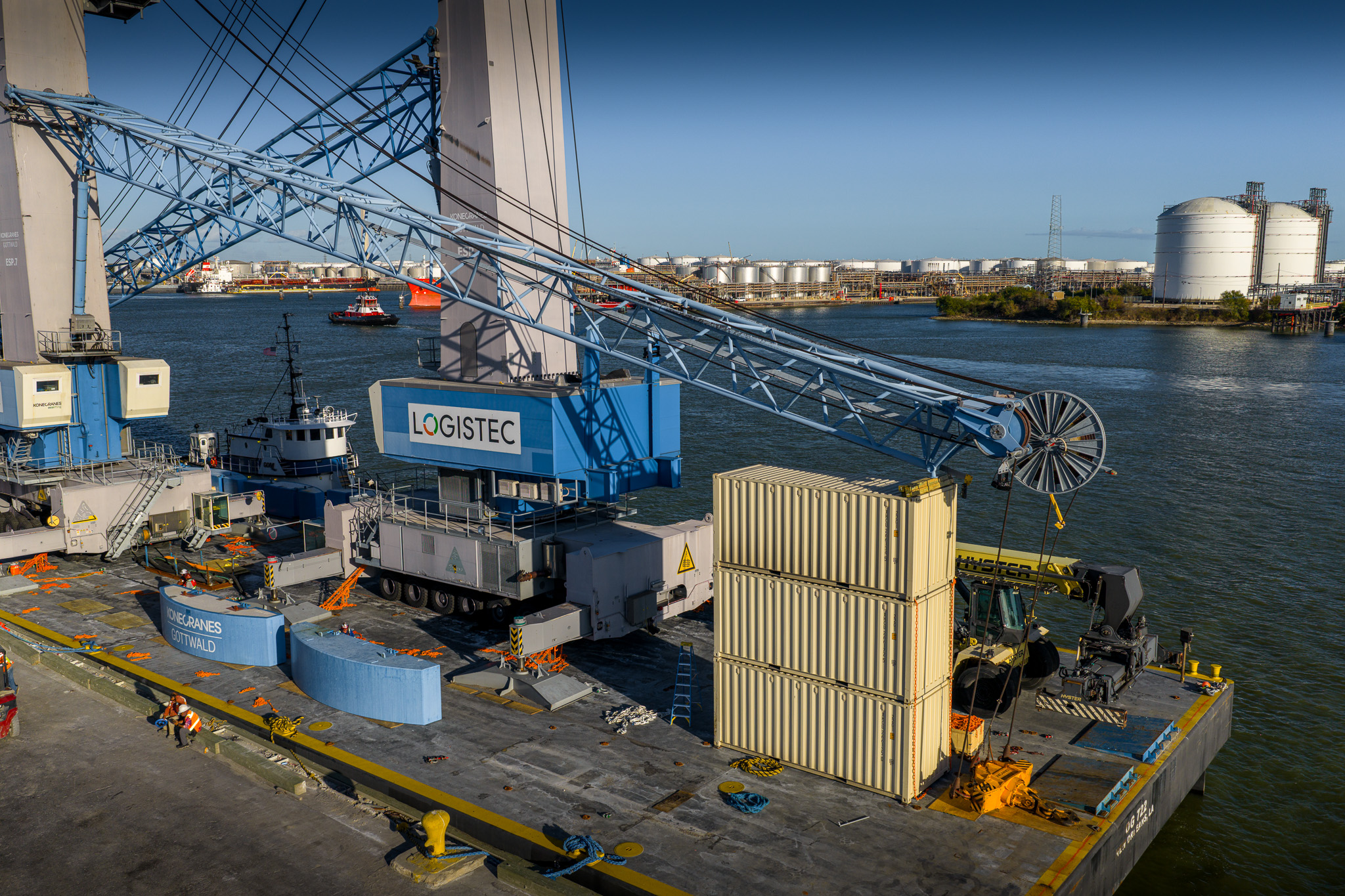
UTC Crane Transport

Over 120 tie-down points were used to secure the cargo. These were pre-welded, so 100% accuracy and precise alignment were essential—if one were off, they would all be off, compromising the securing plan. Any miscalculation would have required cutting the welds and repositioning, resulting in a lengthy delay.

By selecting a barge over a U.S.-flagged vessel, UTC Overseas reduced transport costs by nearly 50%. Additionally, barge transport saved on trucking expenses, and shipping the machinery assembled eliminated days of disassembly and reassembly along with the required labor.
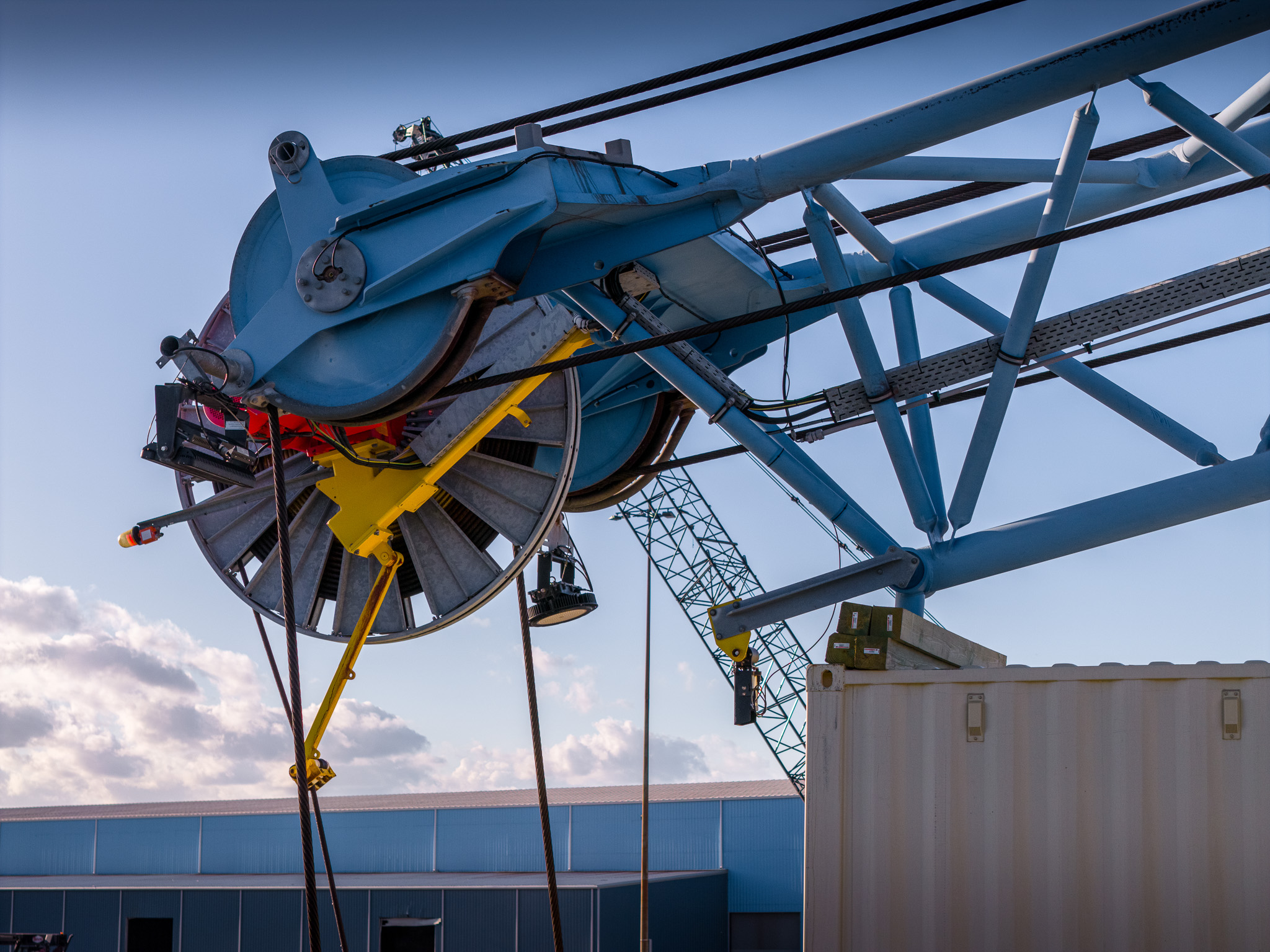
UTC Heavy Haul Transport

Preparation was Key

Site visits at both departure and arrival points were critical to assess ramp requirements, dock conditions, bumpers, and the overall structural capacity of the job site to align plans to resources. Key factors such as the distance from the dock edge to the waterline and current movement were carefully analyzed to properly position the barge and coordinate ballasting operations.

Weather is always a consideration when transiting the Gulf, and it must constantly be monitored with backup plans and contingencies at the ready. In addition, the insurance company mandates limits for winds and swells, and when conditions took a turn, a new alternative route was implemented. Rather than following the most direct path, the vessel had to hug the coast to ensure wind and swell limits were compliant with insurance parameters.
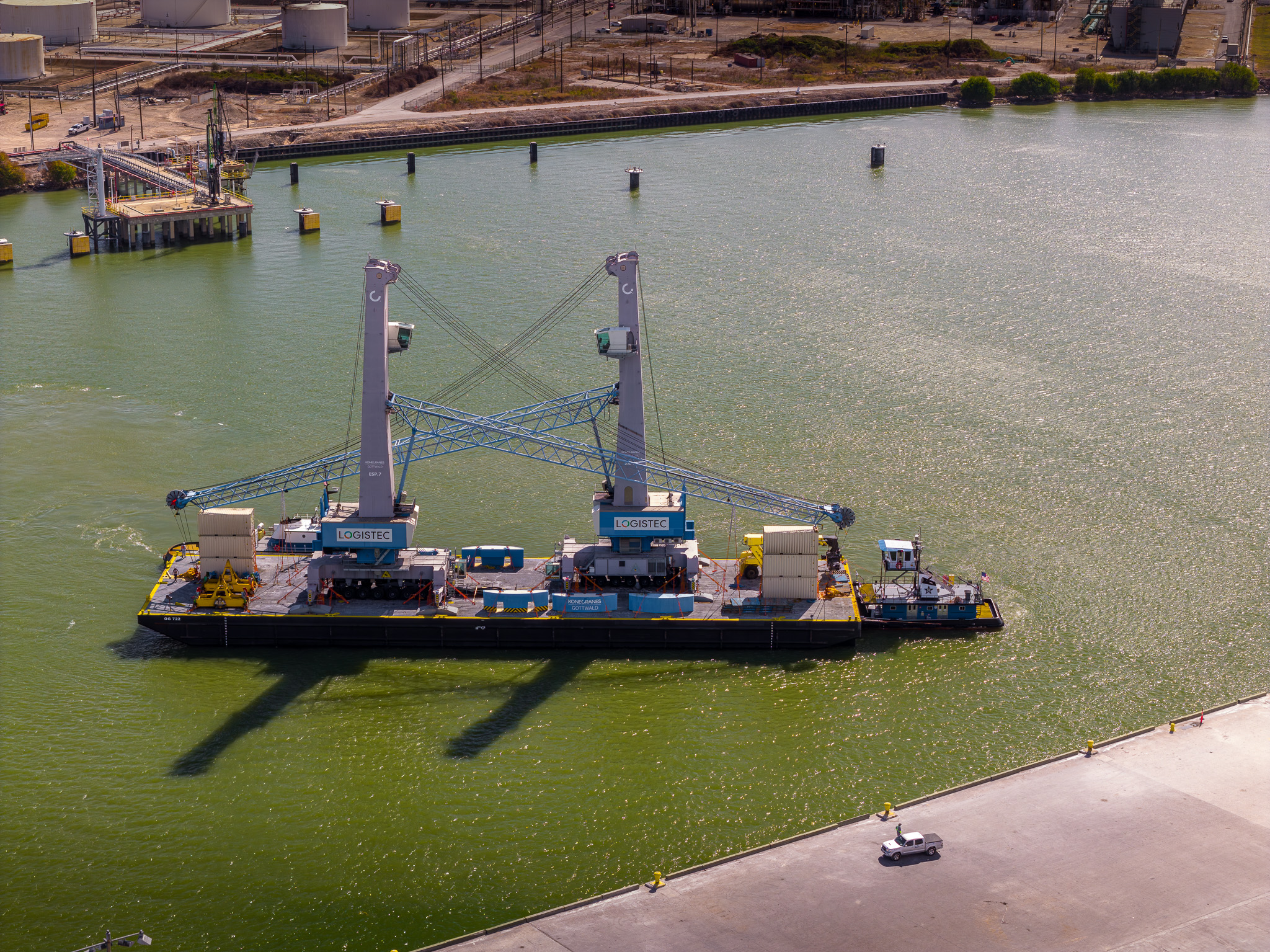
UTC Overseas transiting the Gulf

Ready To Roll

Upon arrival in Houston, the team carefully removed all securing chains, re-ballasted the barge to match the terminal’s dock height, and drove off the reach stacker and cranes. The equipment was delivered intact and on time.

This project demonstrates how forward-thinking logistics strategies can transform complex heavy equipment transport. By moving fully assembled cranes via barge, UTC Overseas minimized transport and assembly costs and accelerated delivery while maintaining a high level of safety and precision.
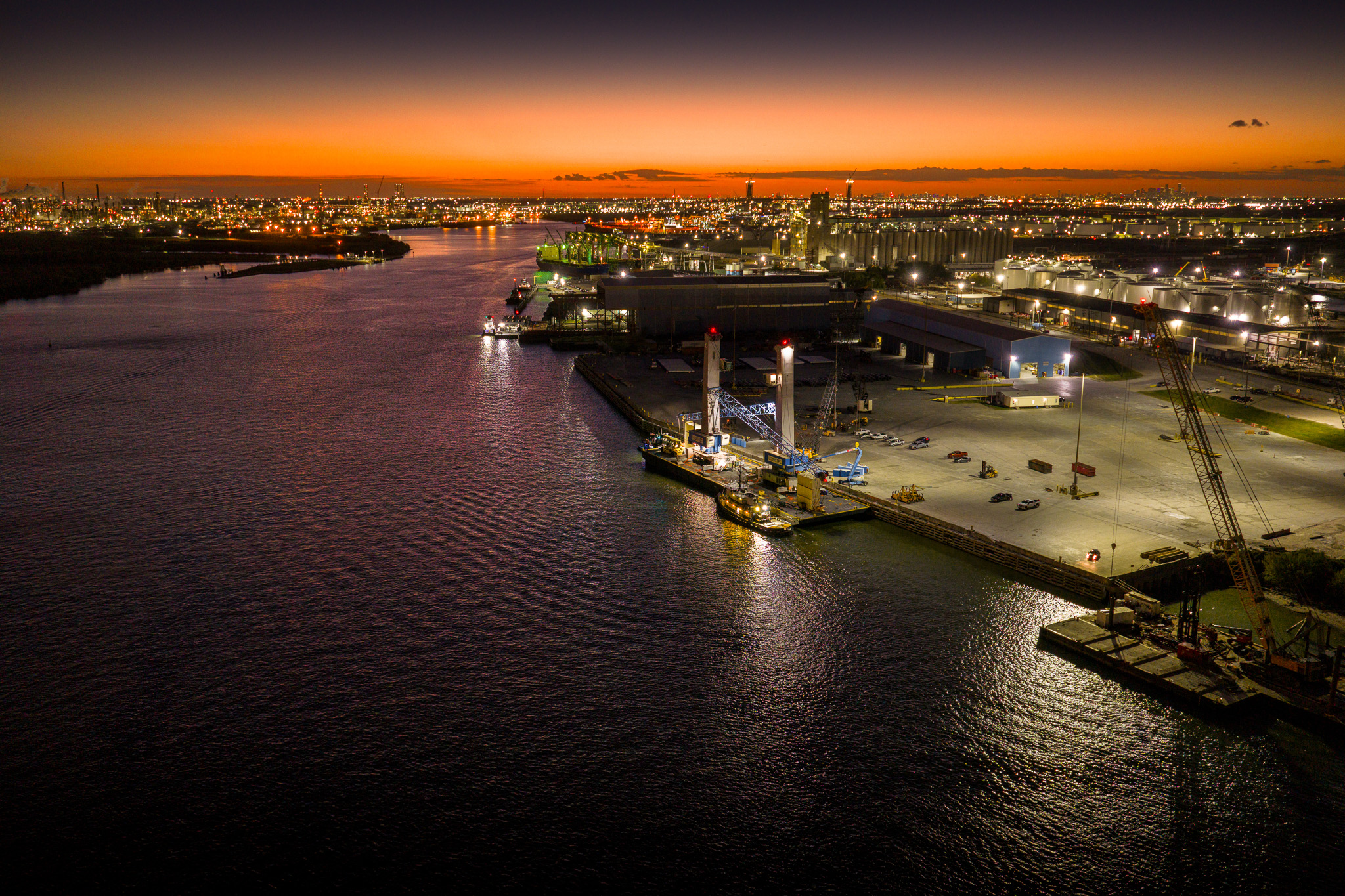
UTC Overseas Experts in Logistics

Quick Operation Under Pressure

One of the most complex parts of the operation occurred when passing through the river locks. The additional buoyancy tanks made the barges too wide to clear the locks. Divers were employed to quickly dismantle the tanks before entering the locks. UTC’s team anticipated this occurrence and designed the system for quick disassembly while the load was still onboard. Precision scheduling and coordination were critical for this intricate maneuver. There were extreme space constraints, and timing was of the utmost importance to allow river traffic to proceed unimpeded.

Expertise That Excels

UTC Overseas HE has been managing these types of projects for over two decades. “We specialize and excel at these projects since this is all we do all day, every day. We take great pride in the safety of the cargo and the personnel on the job site,” remarks Patrik Meyer, Global Director UTC Overseas Heavy Equipment. “We are constantly learning and adapting - learning about our customers, the equipment, their needs and wants, and how to provide a better customer experience.”

When it comes to transporting cranes, no one can do it better than UTC Overseas. With a dedicated Heavy Equipment Group, UTC Overseas has been moving these machines for over 20 years and has a strong knowledge base and expertise unmatched by anyone in the industry. We don't just ship cranes; we know everything about them.
UTC Overseas HE

UTC's rail logistics team has specialized knowledge of your equipment, allowing us to provide the most innovative and cost-saving logistics solutions.

Read More

UTC Overseas: Engineering Excellence Under Pressure

Heavy lift operation at sunset showing oversized LPG storage tank transport along river port

UTC Overseas

Engineering Excellence Under Pressure

DJI_20250924183756_0143_D-HDR.jpg

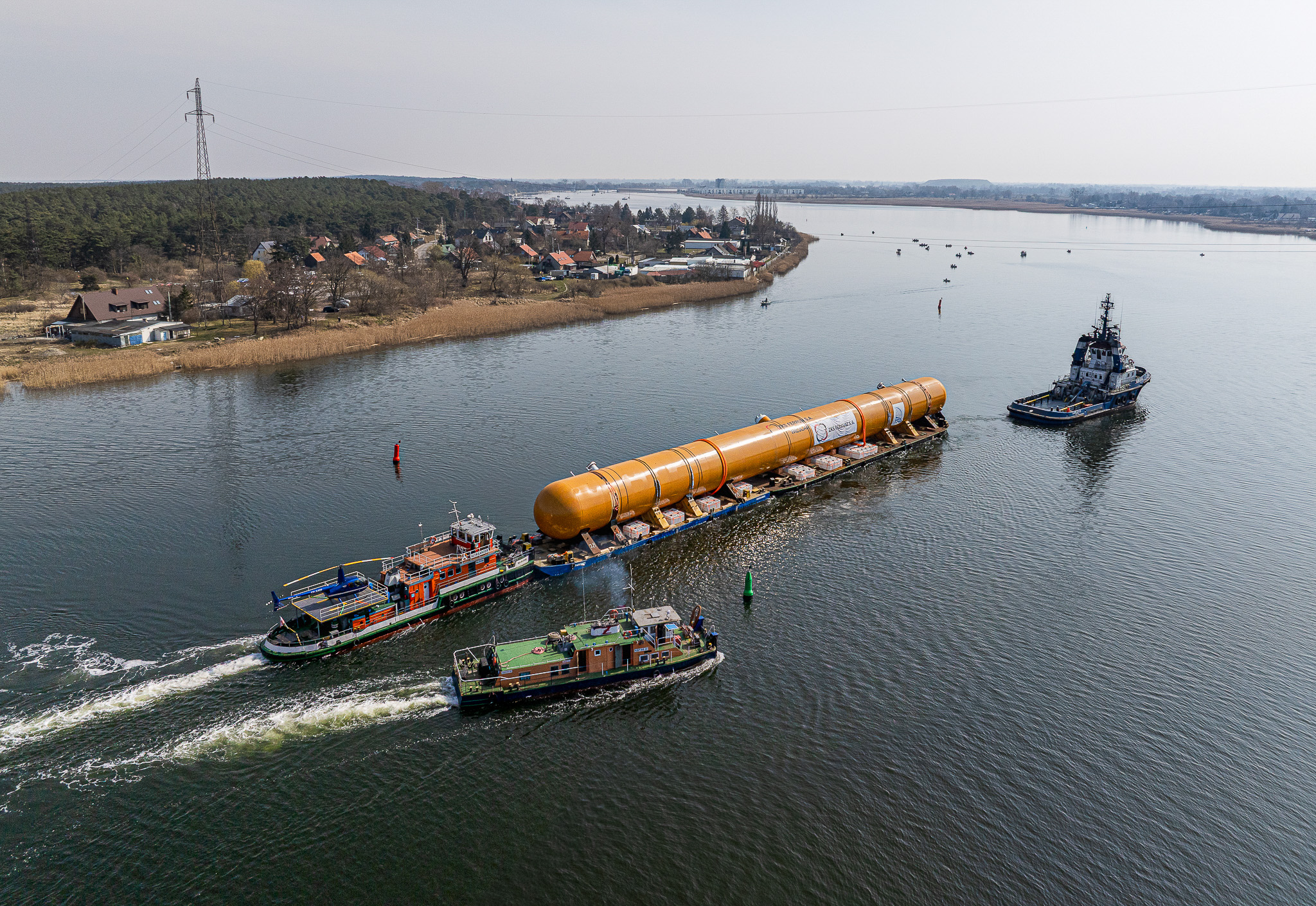
What began as a bold, high-stakes engineering mission to transport massive tanks along the Vistula developed into an eight-month project conducted during the river’s driest period in history. Tasked with moving enormous LPG storage tanks via barges, the UTC Overseas team faced a complex logistical undertaking that posed massive engineering challenges at every step.

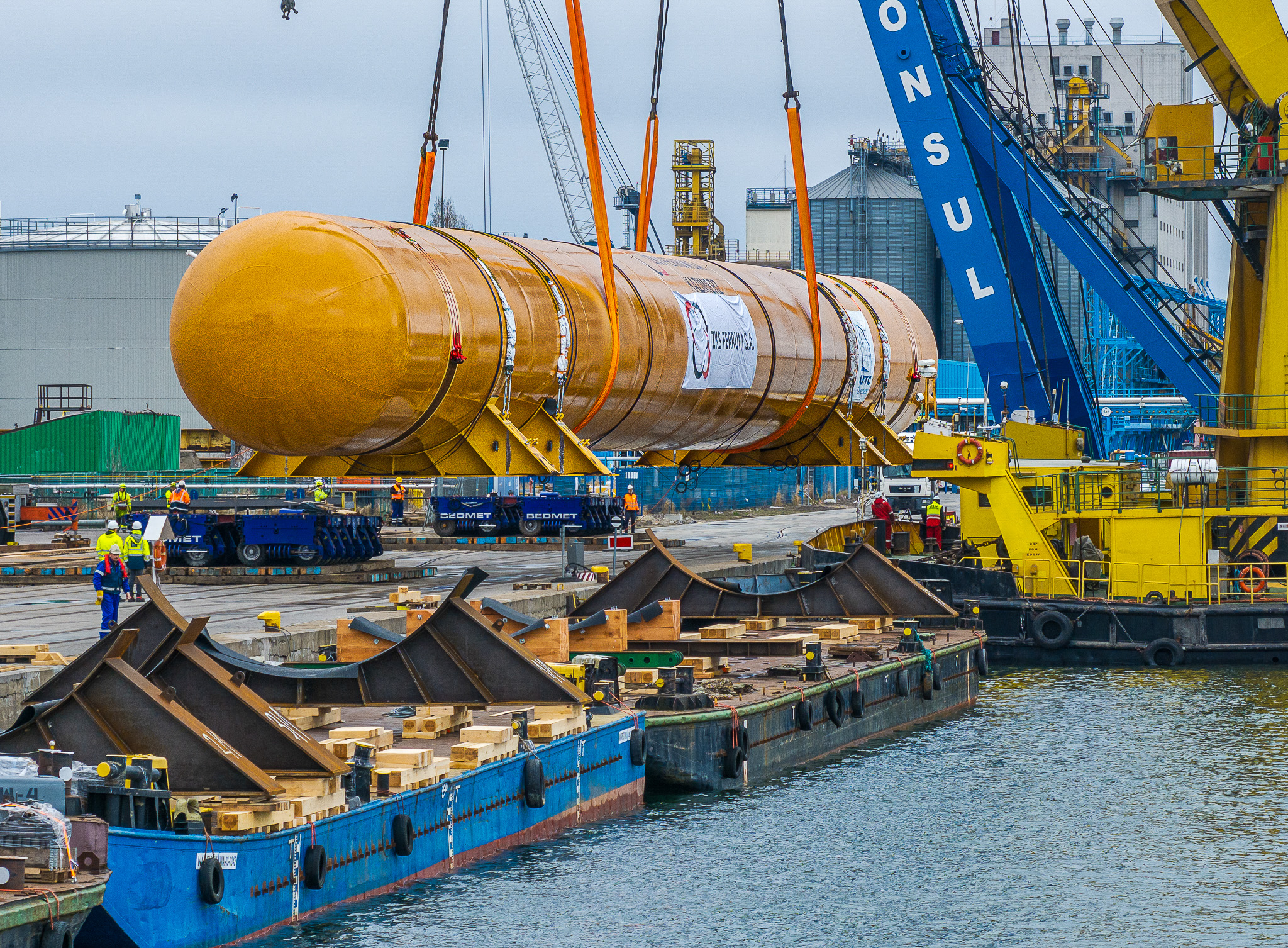
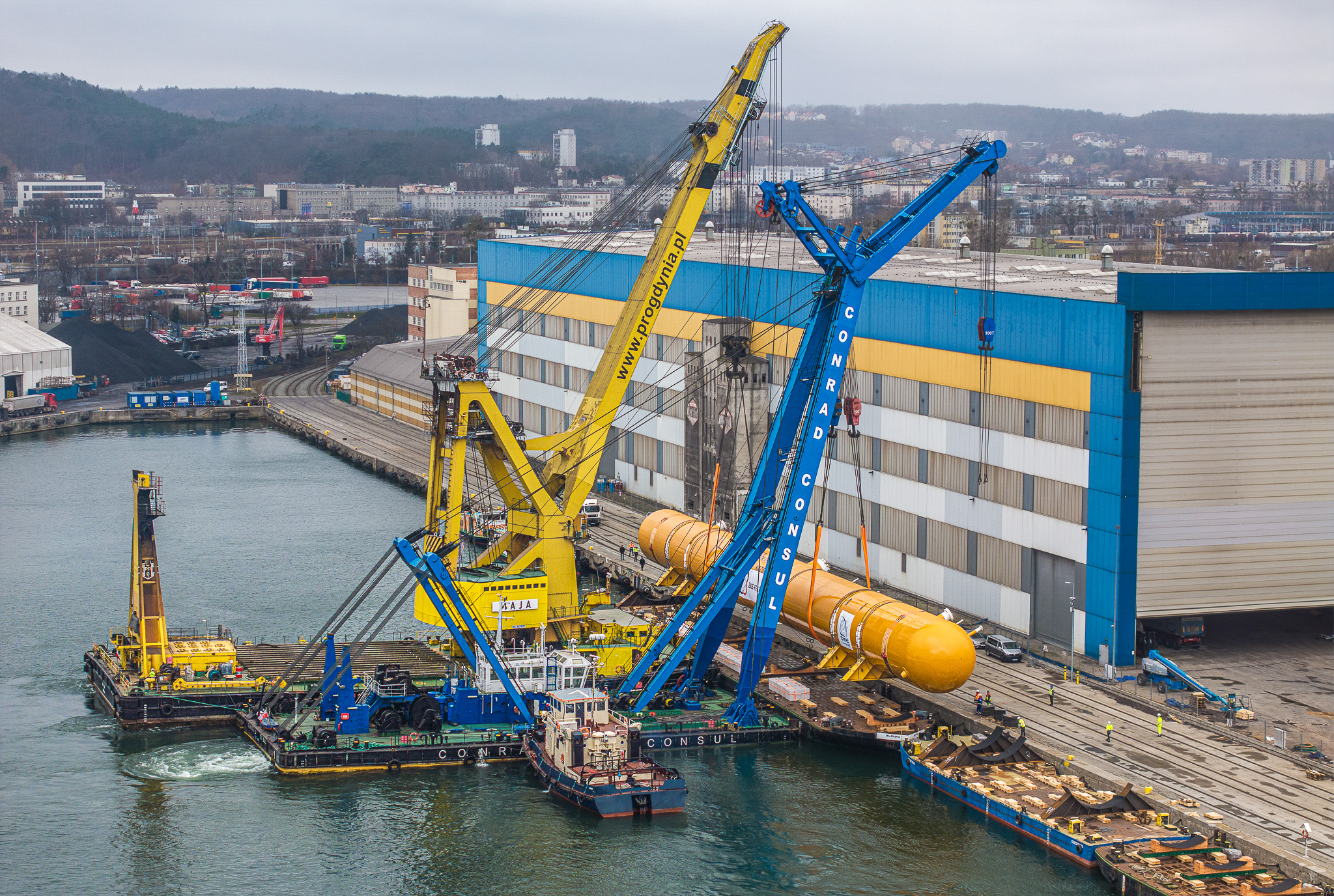
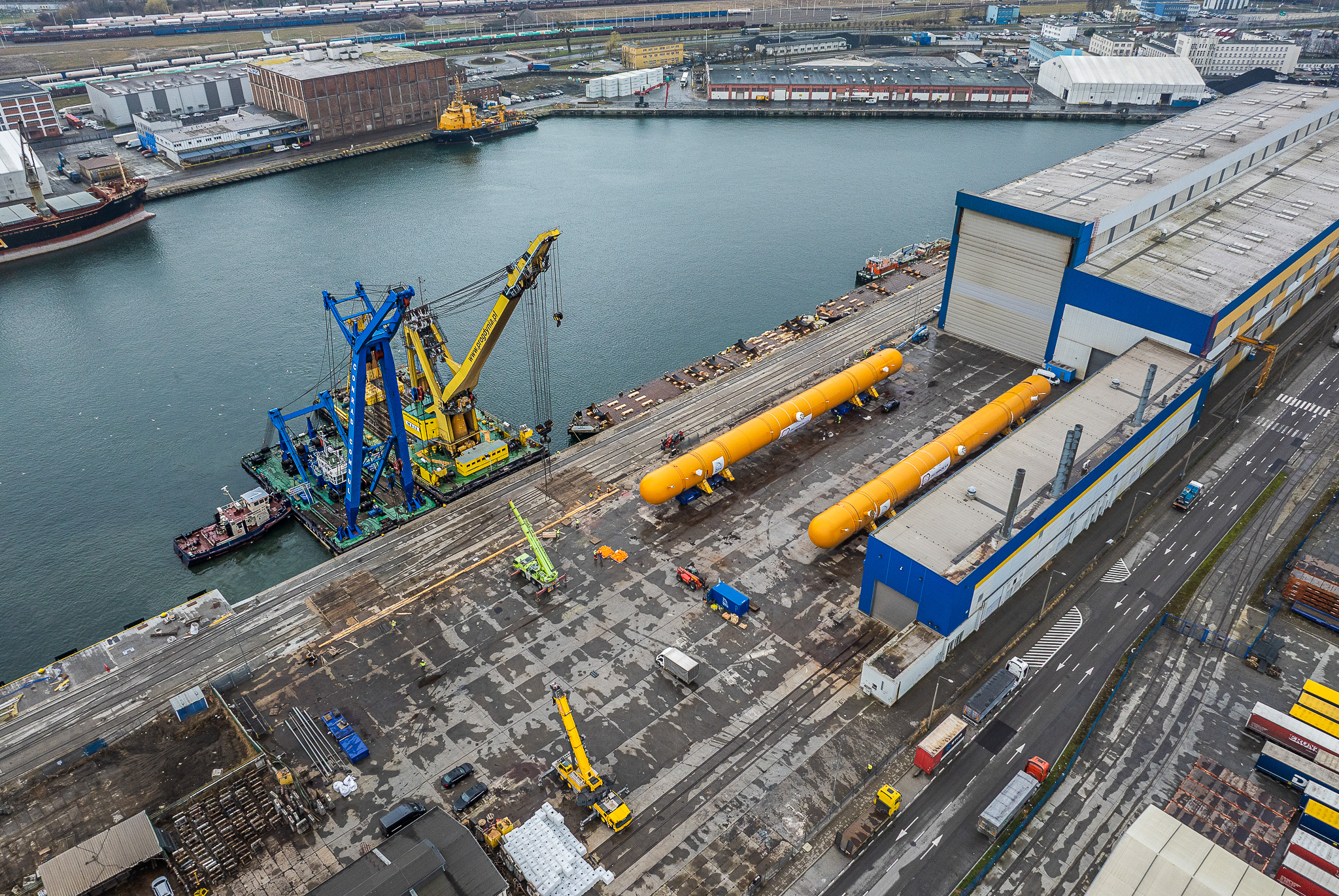
The propylene bullet tanks – each measuring 80 m x 9 m x 8.3 m and weighing 465 tons – were collected from the ZKS Ferrum fabrication facility in Gdynia. To prepare for transport, temporary supports and grillage were installed on the barges. The tanks were loaded using floating cranes and secured and fastened to supports and the deck structure as they were readied for transport to Płock.

Heavy lift crane loading 465-ton LPG storage tank onto barge at Gdynia fabrication facility in Poland

Under any circumstances, an operation of this scale requires meticulous planning, and this specific move was no exception. However, this project posed immediate and massive engineering challenges that tested the limits of inland water transport. Due to critical technological updates during the fabrication phase, the cargo was delayed and released later than UTC recommended. As a result, this pushed the project execution into a period where environmental and navigational conditions became severely compromised.

Aerial view of oversized LPG tank loading operation at ZKS Ferrum facility in Gdynia, Poland

Unprecedented Navigational Constraints

The mission faced its most critical phase as water levels on the Vistula began receding, reaching historic lows. That is when UTC’s team of experts showed their extreme engineering prowess. The reduced depth created unprecedented navigational constraints. The riverbed became a hazardous obstacle course with sandbars throughout that the barge had to navigate around. Operational speeds dropped from 11 km/h to 6 km/h. It became evident that the barges could simply not traverse the river without adapting and completely restructuring the transport plan.

Oversized LPG storage tanks transported by barge along the Vistula River during low water conditions

Engineering Innovation

To reduce draft and enable passage, UTC engineers customized, designed, and installed an advanced buoyancy system. There were 50 buoyancy tanks installed on each side of two connected barges. Each tank generated approximately 1.1 tonnes of buoyancy force. This critical solution saved the project and made the difference between grounding and safe navigation.

Deflection shields were installed to protect against submerged obstacles, and custom wooden supports, engineered and manufactured in-house, evenly distributed tank weight to prevent listing. Two connected barges were used to distribute the load and improve stability.


Overcoming Structural Obstacles

The LPG tanks presented yet another critical issue. The upper chimney assembly made the tanks too tall to pass under certain bridges and overhead wires along the route. UTC’s expert team again engineered a solution. Tanks were rolled onto their sides while secured to the barges, repositioning the chimneys. Once bridges and overhead obstacles were cleared, the tanks were rotated and returned to their upright position. This solution avoided any structural modifications while protecting the integrity of the tanks.

Heavy lift staging area with oversized LPG tanks and transport equipment at Polish port facility

Quick Operation Under Pressure

One of the most complex parts of the operation occurred when passing through the river locks. The additional buoyancy tanks made the barges too wide to clear the locks. Divers were employed to quickly dismantle the tanks before entering the locks. UTC’s team anticipated this occurrence and designed the system for quick disassembly while the load was still onboard. Precision scheduling and coordination were critical for this intricate maneuver. There were extreme space constraints, and timing was of the utmost importance to allow river traffic to proceed unimpeded.

Safe Arrival

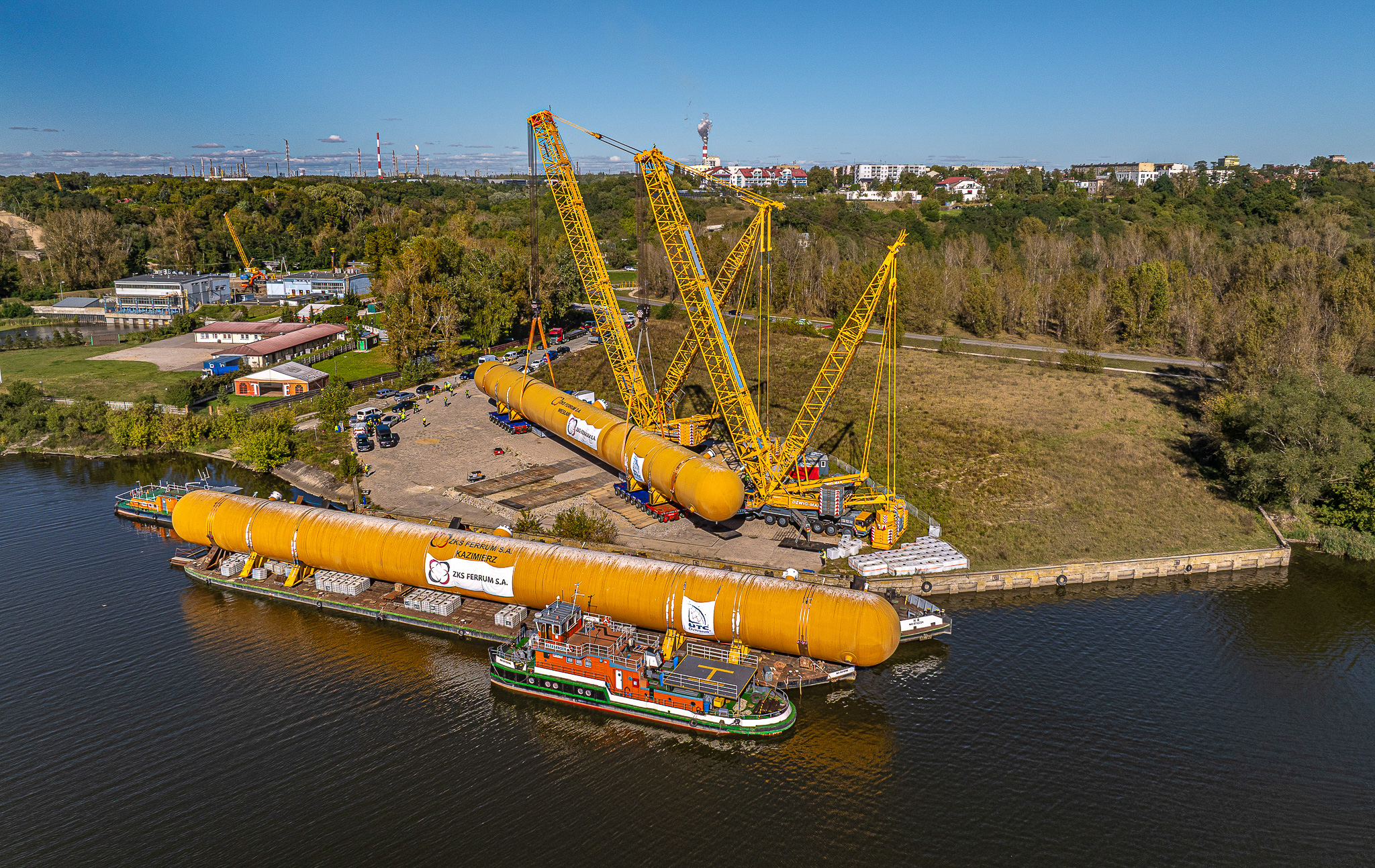
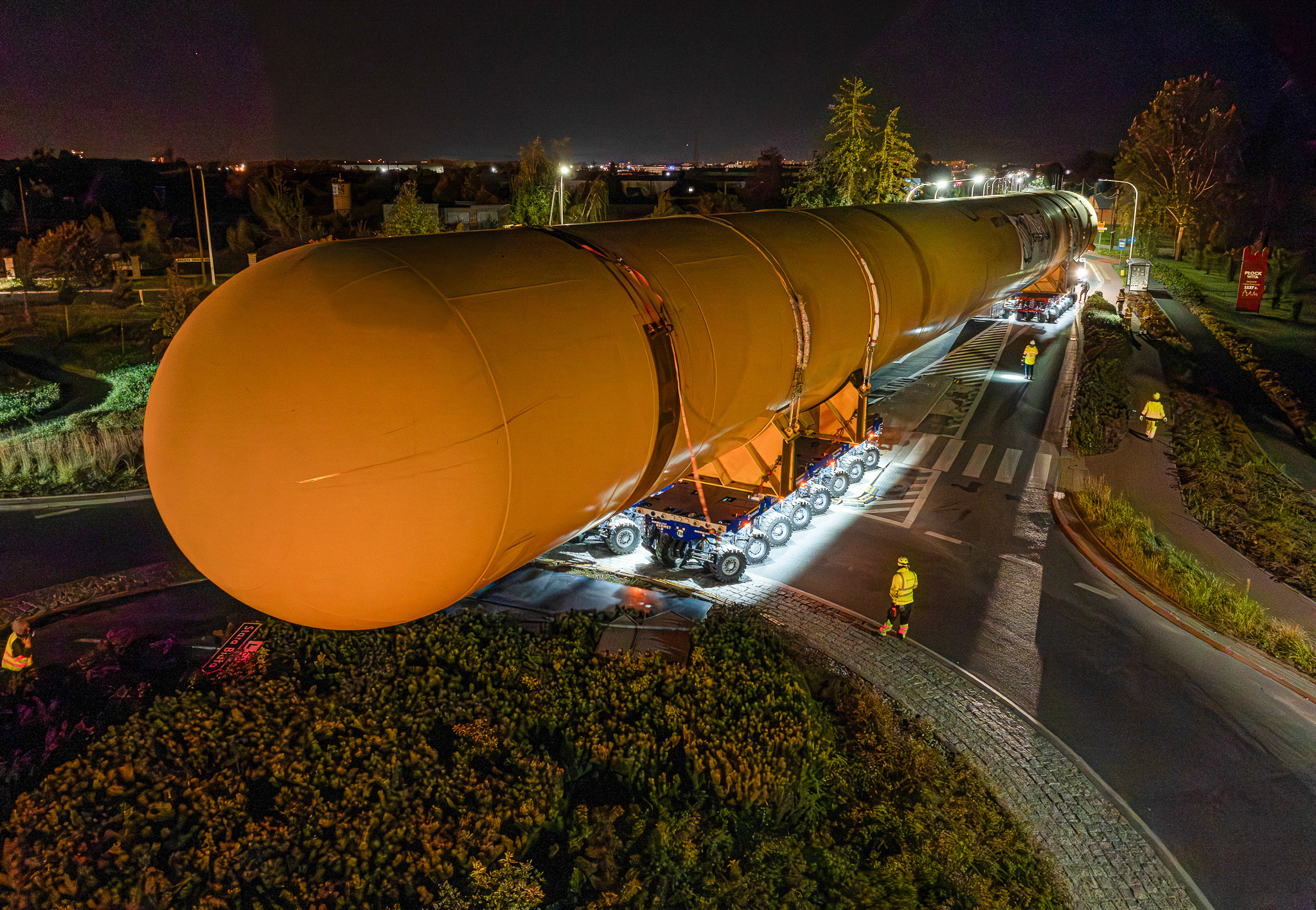
Once at the Płock quay, tanks were unloaded using a tandem lift with two cranes onto SPMT platforms. They were transferred to the Orlen refinery via Płockvia public roads. Laser scan modeling was employed to assess road conditions, identify obstacles, and validate clearances.

Once at the refinery, the transfer was completed using the internal road network. Tanks were rotated on rollers and positioned on sand banks at the designated installation site.

Twin crane lift transferring oversized LPG storage tank from barge to transport platform
Night transport of oversized LPG storage tank on self-propelled modular transporters in Poland

UTC’s Team In Action

The complexity of this project and the challenges faced were enormous, and UTC’s team of professionals rose to the occasion. Despite historic low water levels, space constraints at the locks, and navigational hazards, the project was completed safely and successfully. What was a formidable test of engineering expertise from day one evolved into a months-long demonstration of ingenuity and resilience in overcoming extreme conditions.

UTC's engineering team demonstrated not only deep technical expertise in handling oversized and heavy-lift cargo, but also the skill to adapt in real-time to rapidly changing conditions. Their ability to develop practical, innovative solutions under pressure ensured the integrity of the cargo in the most demanding environments.

UTC's rail logistics team has specialized knowledge of your equipment, allowing us to provide the most innovative and cost-saving logistics solutions.

Read More

UTC Overseas Executes Complex Maritime Transport

UTC Overseas Executes Complex Maritime Transport

UTC OVERSEAS EXECUTES COMPLEX
MARITIME TRANSPORT

Seamless Offshore Mobilization

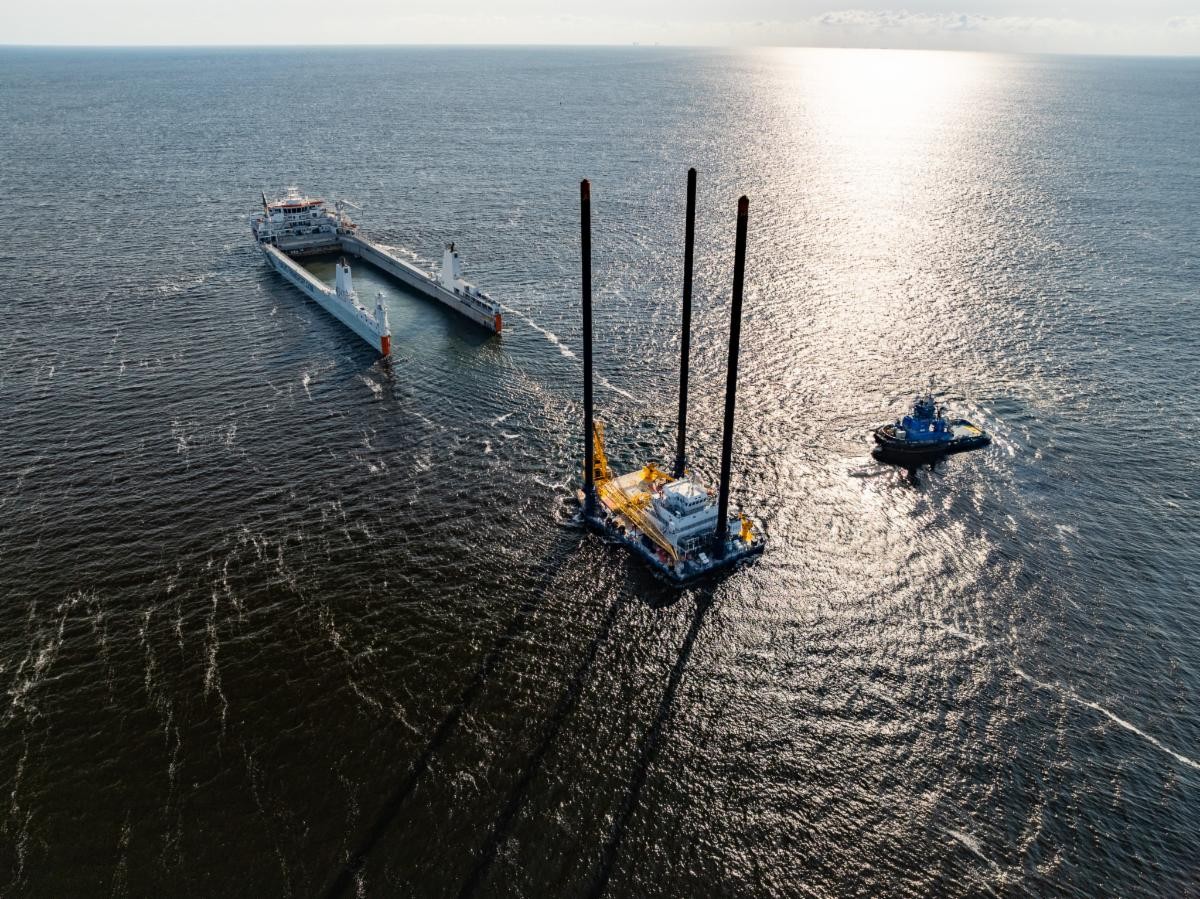
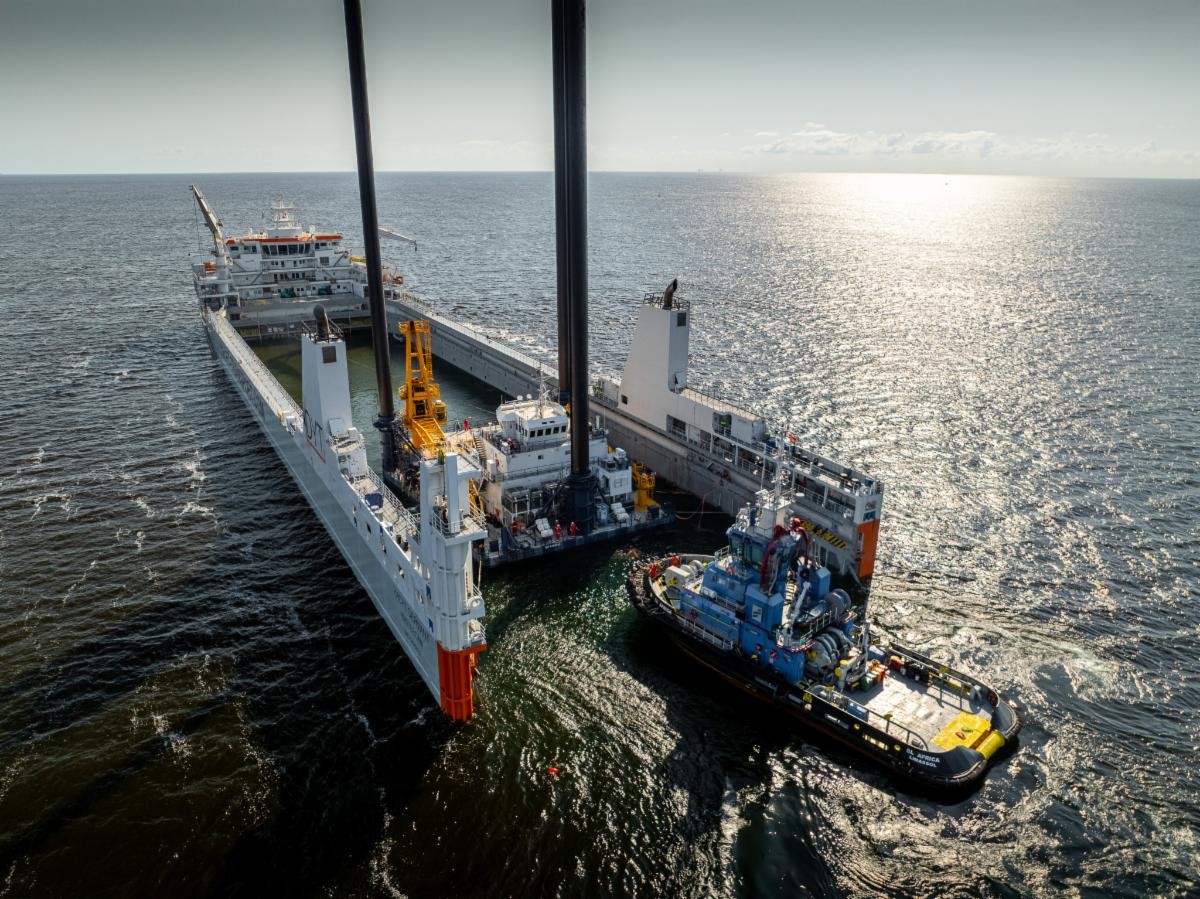
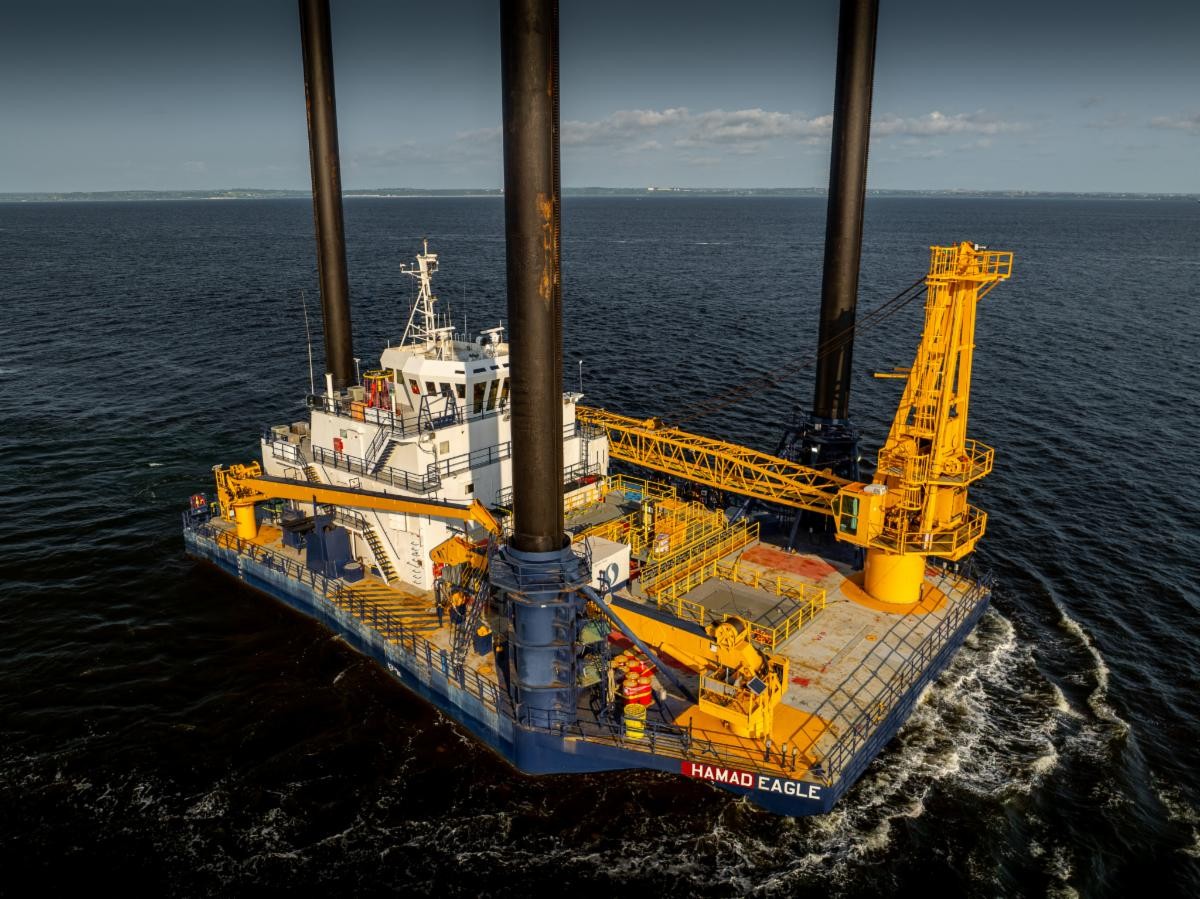
In 2024, UTC Overseas executed a challenging maritime operation—successfully mobilizing the 2,024-ton Hamad Eagle lift boat via a complex float-off from a semi-submersible heavy-lift vessel at anchorage offshore in Angola. Precision marine engineering led by UTC was on full display throughout the operation and showcased the company’s aptitude for international collaboration, safety management, and energy-sector innovation. Without the need for conventional towage or drydock reactivation, the Hamad Eagle was delivered directly into operational service, establishing a new, efficient standard in offshore mobilization.


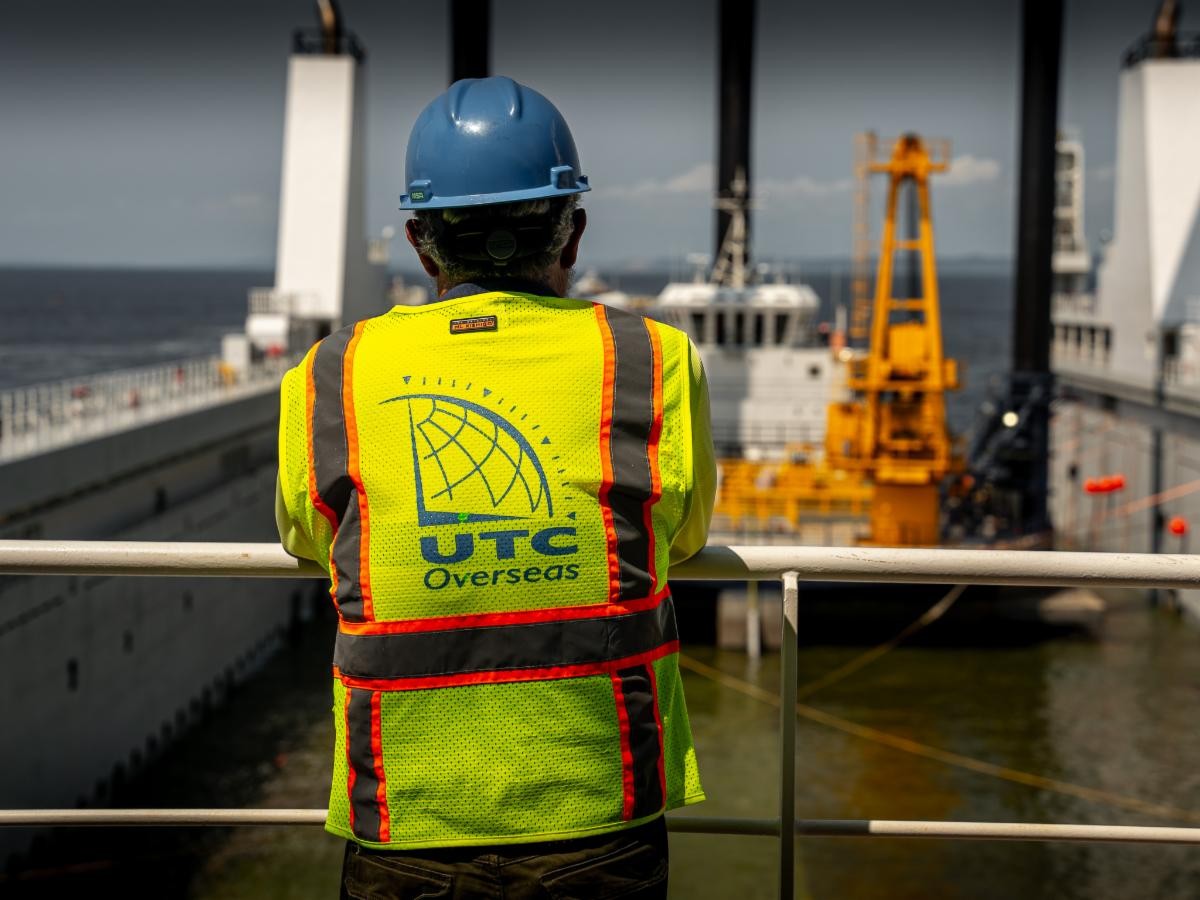
UTC Overseas Engineer Overseeing complex maritime transport

Thinking Outside the Box

This mobilization project transported the Hamad Eagle, weighing 2,024 tons, over 6,400 nautical miles from New Orleans, USA, to Cabinda, Angola, completing the float-off and reactivation in just 72 hours, allowing immediate deployment for critical offshore decommissioning work without costly shore-based reactivation. Ocean transit took 21 days and was completed with zero incidents and full regulatory compliance across multiple jurisdictions. The customer realized over $2 million in savings by eliminating shore-based reactivation.

UTC transporting the Hamad Eagle, weighing 2,024 tons, over 6,400 nautical miles.

Project Objectives and Outcomes

Objective Outcome Impact
Safe Float-Off Executed without incident in 14-meter-deep water Immediate operational deployment
Live Reactivation Lift boat powered up at sea and sailed independently Avoided costly drydock and tug assistance
Regulatory Compliance Secured Angola terminal, and flag state approvals Seamless integration into regional operations
Technical Excellence Completed within a 4-hour weather window Demonstrated advanced marine engineering

Engineering & Technical Innovation

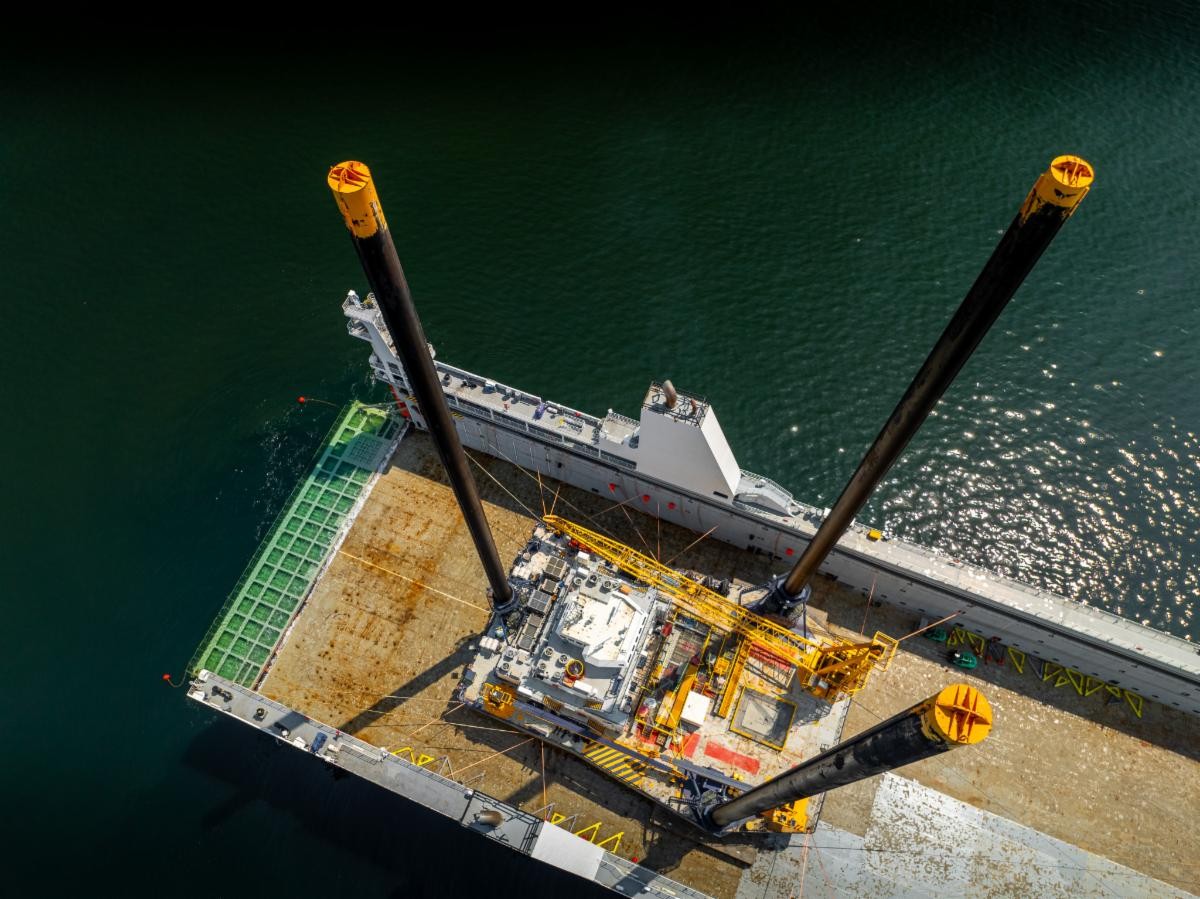
The float-off involved submerging the deck of the Yacht Servant by 4.6 meters using precision-controlled ballast tanks. UTC engineers employed a custom A-frame and cribbing system to maintain the Hamad Eagle’s stability and alignment during submersion. Real-time monitoring ensured safe draft separation at 2.6 meters, even in dynamic offshore conditions.

In a rare and pioneering move, the lift boat’s jacking legs were deployed sequentially while still at sea. The vessel’s onboard systems were restarted under the supervision of a marine warranty surveyor (MWS), allowing it to sail away independently to its decommissioning worksite—marking the first time this vessel class was reactivated entirely offshore.

UTC Vessel at Sea

Operational assistance was provided by the SL Africa support vessel and the Seacor Cougar work boat for precise positioning and standby support. Helicopter crew changes offered aviation logistics and engineering oversight throughout the operation. Multilingual coordination (English, Spanish, Portuguese, and French) among crews, engineers, and regulators was maintained throughout the process.

Multinational Coordination & Regulatory Excellence

This project operated efficiently through the coordination of stakeholders with multiple national and international regulatory agencies:

  • Prime Contractors:
    • UTC Overseas (USA)
    • ACS Chartering Division of UTC Overseas
  • Authorities Involved:
    • U.S. Coast Guard (Departure Compliance)
    • Angolan Maritime Authority (Arrival & Float-Off Oversight)
  • Standards Met:
    • ISM (International Safety Management)
    • SOLAS (Safety of Life at Sea)
    • MWS (Marine Warranty Survey) approvals for entire transit and float-off
  • Environmental Protocols:
    • Zero-discharge operations maintained in a sensitive marine environment
    • Full adherence to offshore terminal’s compliance and protocols
UTC Overseas Vessel in West African Waters

Technical Firsts

The deep-water float-off was a challenging operation and the first successful activation of this vessel class in turbulent West African waters.

  • First Sea-Based Reactivation: This was the first time a lift boat of this class was activated entirely offshore, without towage or dock.
  • Float-Off in Angolan Waters: First heavy-lift float-off of this scale in Malongo, Angola.
  • Integrated Real-Time MWS Oversight: Marine warranty survey conducted live, onboard inspections ensuring immediate compliance and performance validation.
  • Offshore Wind Mobilization: This technique can be replicated for global energy offshore wind vessel mobilizations.
  • Remote application: This model can be used for global energy offshore structure emplacement.

Challenging Locations: This operation provides a template for future frontier offshore regions.

Blazing New Trails

UTC pioneered a float-off procedure that bypassed traditional dockside limitations, saving millions in reactivation and tug costs. The ability to directly deliver a lift boat into service offshore, without intermediate port intervention, represents a significant breakthrough in marine project logistics. This complex operation merged diverse disciplines—naval architecture, marine engineering, aviation logistics, and regulatory compliance—into a unified, real-time effort conducted under tight environmental and safety parameters.

Beyond the technical feat, the project delivers a model for cost-effective, lower-footprint offshore mobilization in developing energy regions. It enhances uptime for critical infrastructure while reducing logistical burdens in congested ports.

UTC’s success reflects the expertise and coordination of its internal engineering team, ACS Chartering division, regional agents, vessel crews, MWS inspectors, and international regulatory partners.

UTC's complex operation merged diverse disciplines—naval architecture, marine engineering, aviation logistics, and regulatory compliance—into a unified, real-time effort conducted under tight environmental and safety parameters.

Innovating for the Future

UTC Overseas’ offshore float-off and reactivation of the Hamad Eagle represents the future of heavy-lift transport in the energy sector—flexible, efficient, and globally deployable. By executing this operation with precision, safety, and innovation, UTC has not only set a new industry standard but has also laid the foundation for future offshore mobilizations in frontier regions. This project exemplifies why UTC is a leader in complex global energy transport solutions.

UTC's rail logistics team has specialized knowledge of your equipment, allowing us to provide the most innovative and cost-saving logistics solutions.

Read More

Transporting an SPM CALM Buoy from Dubai to Colombia

Featured image showing UTC Overseas transporting an SPM CALM Buoy from Dubai to Colombia

TRANSPORTING AN SPM CALM BUOY FROM DUBAI TO COLOMBIA

Trusted Expertise in Complex Logistics

UTC Overseas brings decades of proven expertise in the oil and gas sector, specializing in the transport of oversized, overweight, and high-value equipment essential to offshore rigs and related infrastructure. When a client approached UTC to assist with their latest project, they had full confidence in UTC’s ability to manage complex logistics operations and ensure timely delivery.

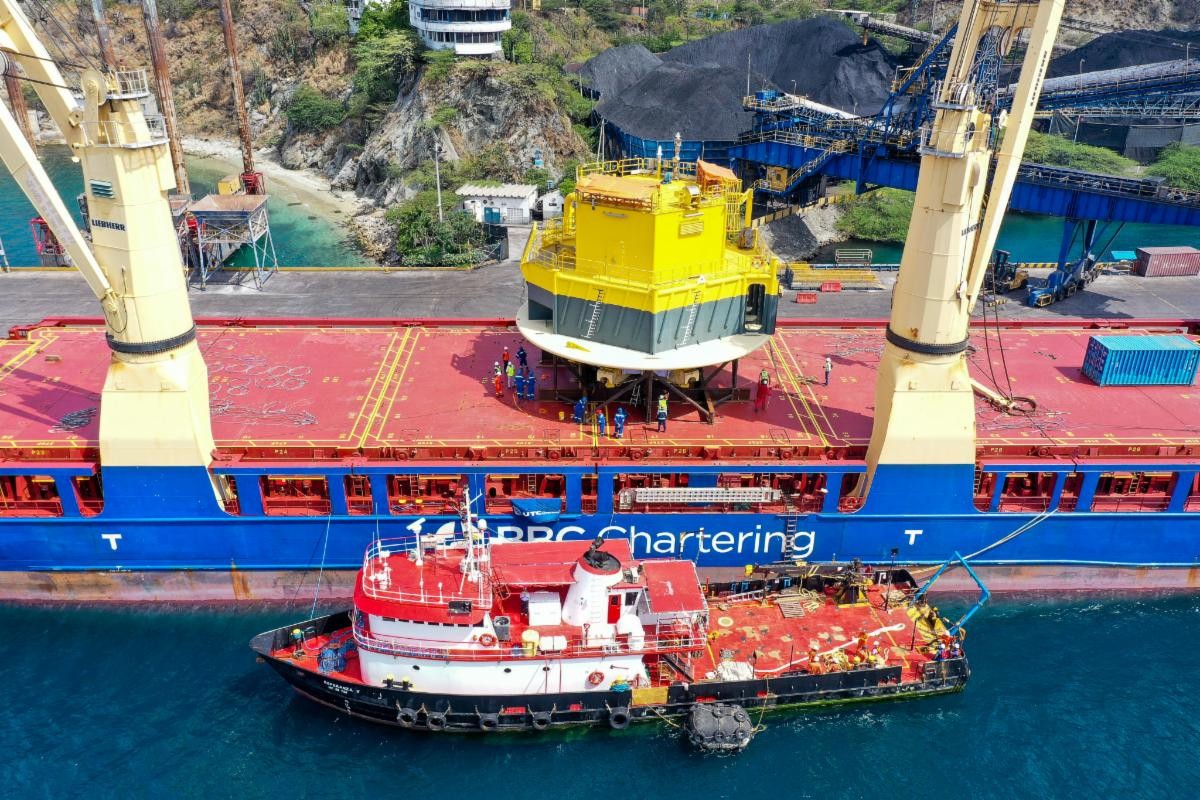
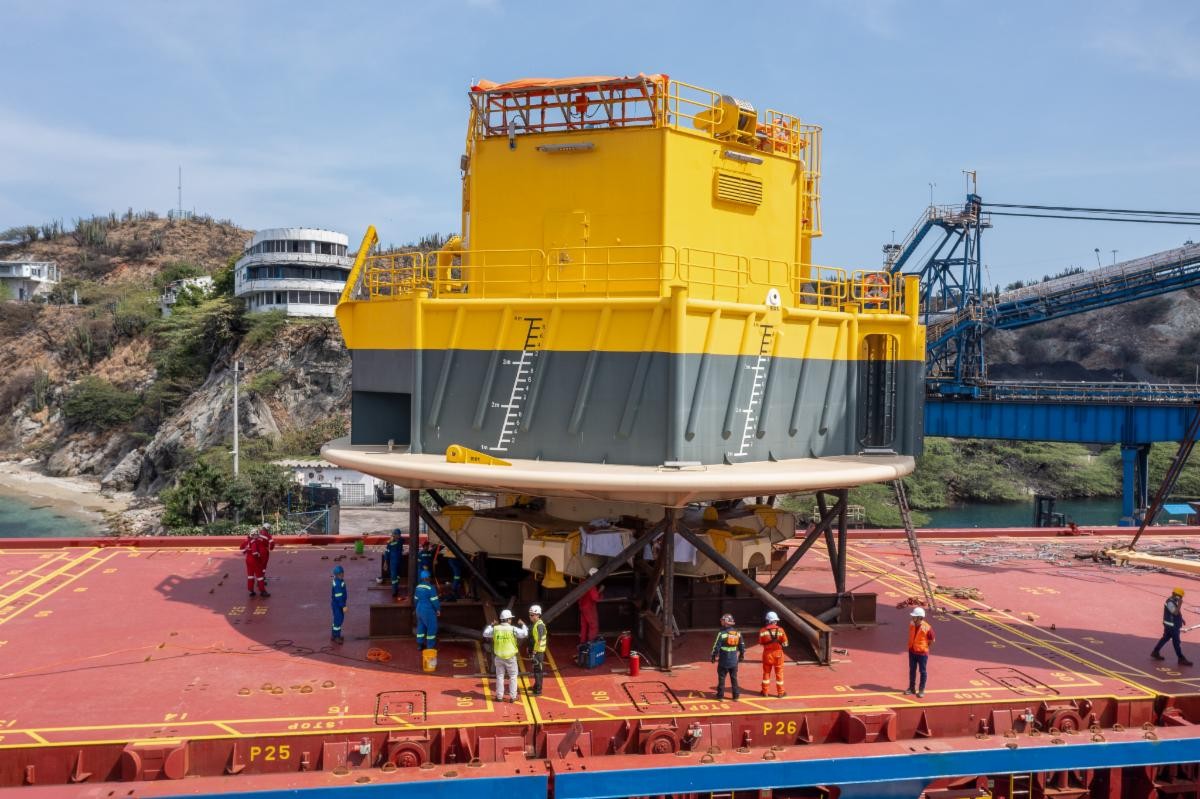
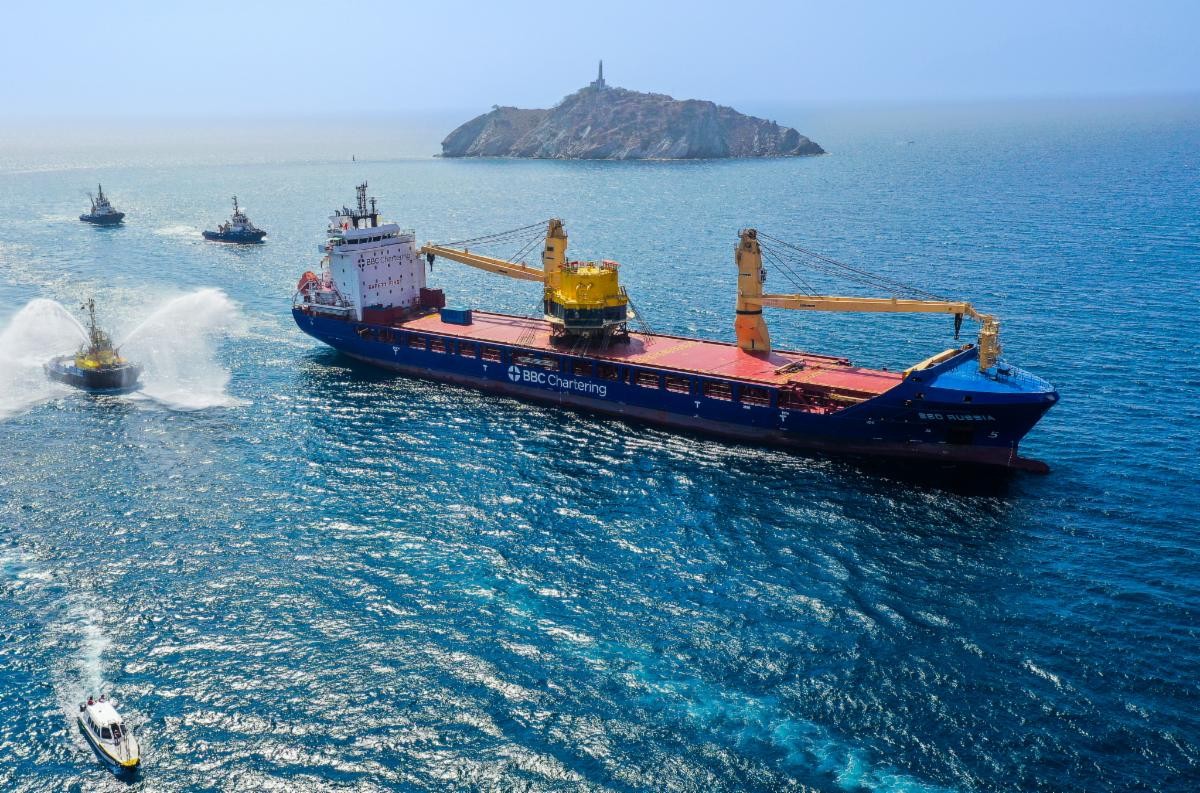
UTC successfully transported a newly fabricated Single Point Mooring (SPM) CALM Buoy from Dubai to the Port of Santa Marta, Colombia. The buoy will function as the offshore mooring and crude oil offloading interface, playing a key role in strengthening Colombia's offshore oil and gas infrastructure.


Featured image showing UTC Transporting a Newly Fabricated Single Point Mooring CALM Buoy

Oversized Cargo

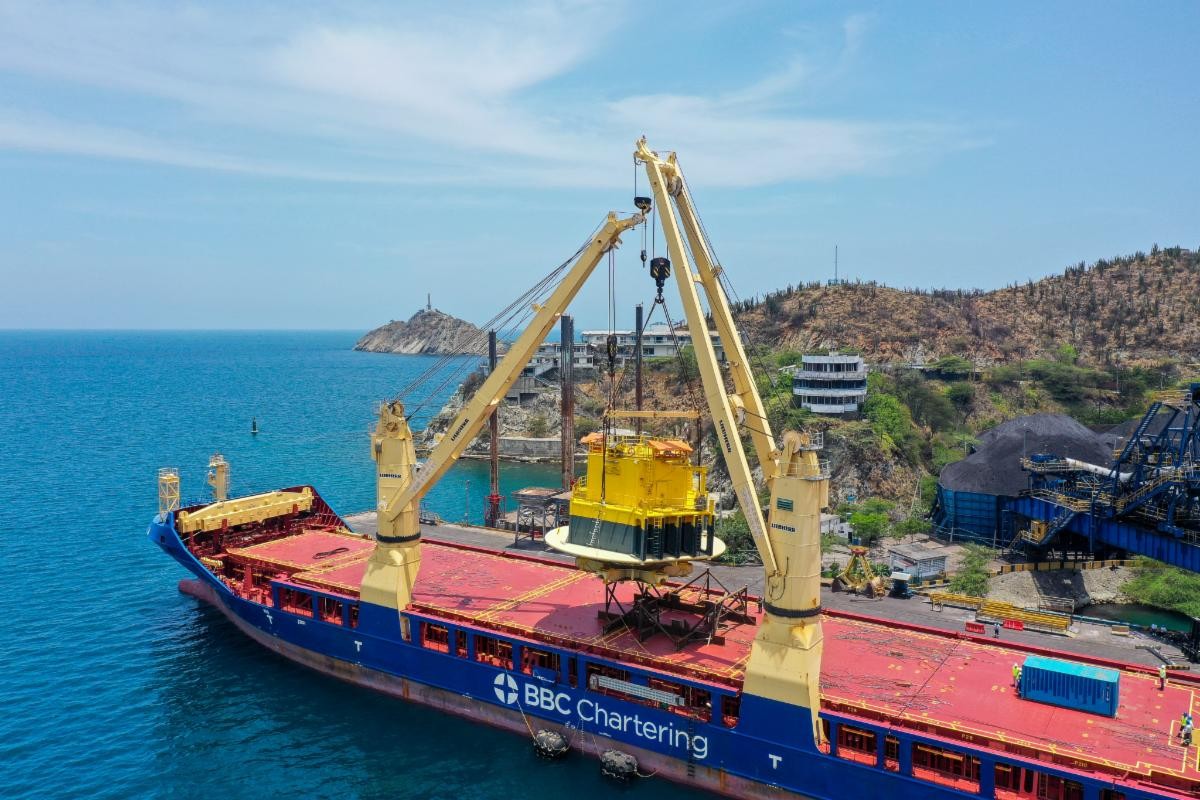
The shipment consisted of a 322-metric-ton SPM CALM Buoy, measuring 15.61 meters in length, 16.90 meters in width, and 14.24 meters in height. Due to its over-dimensional size and heavy-lift characteristics, the buoy was transported as breakbulk cargo. Accompanying the main unit was a 20-foot container carrying spare parts and installation tools.

Both cargo units were loaded in Dubai and transported aboard a breakbulk vessel bound for the Port of Santa Marta on Colombia's Caribbean coast.


Featured image showing a 322-metric-ton SPM CALM Buoy

Planning For This Complex Operation

Specialized equipment and engineering support were essential to execute this non-routine, complex heavy-lift operation. The SPM buoy was lifted using a DD2000 Sheer Leg Floating Crane, rated for a safe working load of 2,000 metric tons. Custom-engineered rigging solutions were employed, including purpose-built spreader beams, stoppers, and a prefabricated grillage system designed to secure the buoy during lifting and sea transport.


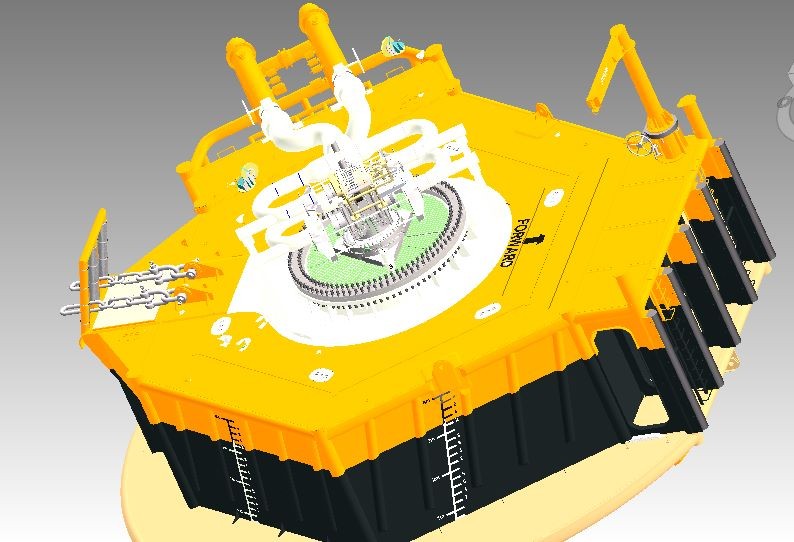
Inline image showing UTC planning guides and renderings to facilitate technical analyses

Comprehensive planning and engineering studies were conducted prior to transport. Critical tasks included detailed rigging and grillage design validation, vessel stability calculations, and development of a step-by-step method statement. Technical analyses covered structural member forces, support reactions, and displacement modes for multiple load cases, including code checks for girders and evaluation of span displacement ratios.

Site visits were conducted at the fabrication yard by UTC and its partners to ensure operational readiness. Before the lifting operation involving the DD2000, comprehensive risk assessments were completed. This included pre-inspection of the designated lifting and lowering zones. These assessments covered all aspects of loading, securing, and lashing, and were reviewed by the appointed Marine Warranty Surveyor (MWS) overseeing activities at both origin and destination points.

The buoy was loaded onto the vessel and secured for ocean transport following strict safety and engineering protocols. Upon arrival at the discharge port in Santa Marta, the buoy was floated off directly from the vessel into the water, so the unit was ready for deployment. This float-off operation required controlled removal of the grillage system and precise underwater rigging installations to enable safe and efficient handling.


Managing the Project

UTC’s Ignacio Benedetti recounts the planning process. “Throughout the project, UTC was responsible for a wide range of critical logistics and marine services. This included vessel nomination and chartering, coordination of marine engineering and surveyor approvals, export customs clearance at origin, and full oversight of destination float-off operations. UTC's team also led the development and validation of risk assessments, route surveys, method statements, rigging plans, export documentation, and local agent management. UTC’s project managers ensured seamless coordination across all stakeholders, maintaining clear communications and continuity of execution to prevent any disruptions.”

UTC was responsible for a wide range of critical logistics and marine services. This included vessel nomination and chartering, coordination of marine engineering and surveyor approvals, export customs clearance at origin, and full oversight of destination float-off operations. UTC's team also led the development and validation of risk assessments, route surveys, method statements, rigging plans, export documentation, and local agent management.

Meeting Challenges Head-On

UTC’s Colombia office, serving as project sponsor, was supported by Juha Karmanto from UTC's Chartering Team and Asian Tiger, the nominated agent in Dubai. The team successfully navigated several operational challenges throughout the execution phase:

  • Lifting Gear Coordination: The overhang of the buoy’s top ring required careful planning, including preparation of detailed top-view drawings and spreader bar compatibility assessments to ensure safe and balanced lifting.
  • No-Weld PolicyCompliance: Due to ABS certification restrictions, a no-weld policy was enforced. To work around this stipulation, bolted connections and a prefabricated grillage system were implemented without making permanent modifications to the buoy.
  • Berth Access Constraints: Limited berth availability at the fabrication yard necessitated early coordination with port authorities and timely completion of induction procedures for all personnel.
  • Demurrage Risk Management: With port congestion posing a risk of demurrage charges, UTC mitigated delays through proactive berthing arrangements and advanced cargo readiness planning.
Featured image showing UTC mitigated delays through proactive berthing arrangements and advanced cargo readiness planning

UTC Delivers

As part of a larger offshore marine terminal system, the buoy will be used for mooring tankers and transferring crude oil to and from shore through subsea pipelines, allowing operations to take place without the need for vessels to enter the port.

This project showcases UTC’s expertise in heavy-lift and marine logistics and reinforces the important role of integrated engineering, streamlined communications, and expert planning in the successful execution of complex global transport projects.

UTC's logistics team has specialized knowledge of your equipment, allowing us to provide the most innovative and cost-saving logistics solutions.

Read More

UTC Manages Challenging Logistics for Biofuel Refinery Plant

UTC manages

CHALLENGING LOGISTICS FOR BIOFUEL REFINERY PLANT

In the fast-paced and often unpredictable world of specialized transportation, astute logistics professionals always expect the unexpected.

External conditions such as changing weather, uprisings, strikes, and delays are factored into their everyday planning. UTC’s recent Heartwell project was fraught with many of these challenges. Knowledge and experience guided UTC’s team of professionals through the risks and turbulence while delivering equipment for a biofuel refinery plant in Hastings, Nebraska.

ft tall
freight tons total
tons each

UTC was tasked with transporting 50,000 freight tons of cargo, including large modular components of up to 21 feet in height and 100 tons in weight, which were vital to the refinery’s construction. The cargoes originated in Europe, Asia, and North America and were shipped using multimodal transport methods such as ocean freight, air freight, barging, trucking, and heavy haul services. Once completed, this greenfield project will produce diesel fuel from animal fats and used cooking oil, offering improved environmental performance and reduced carbon emissions. 

Accessing a landlocked site

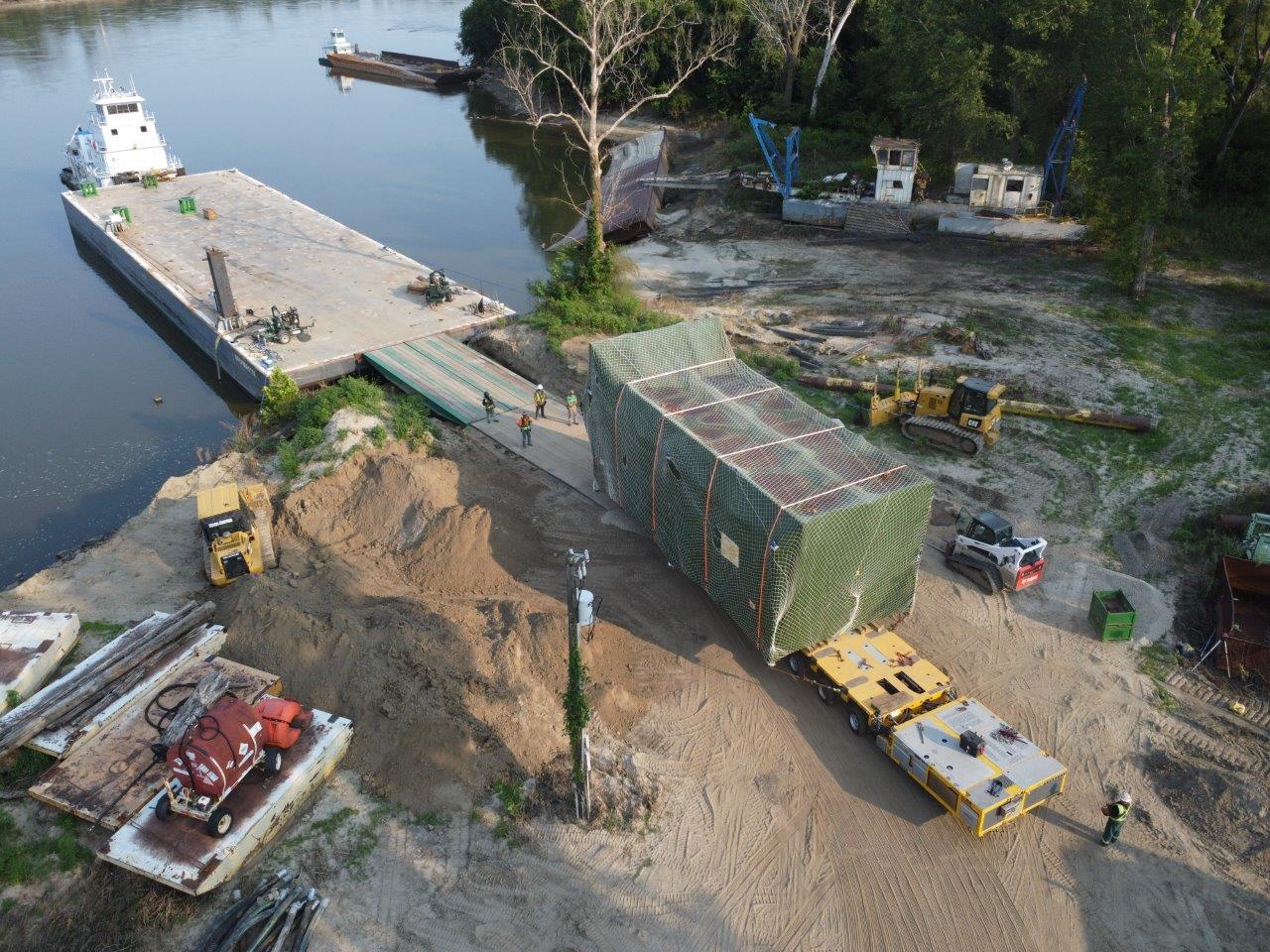
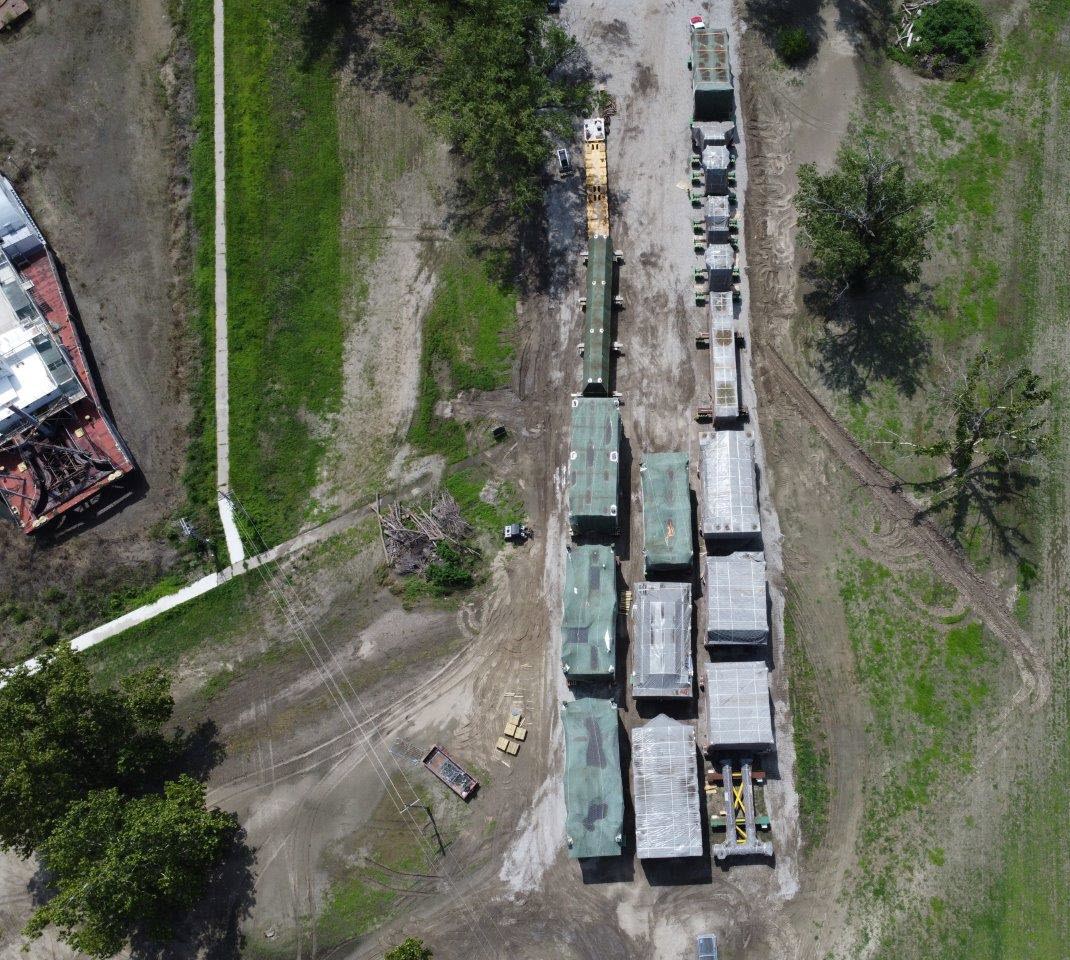
Nebraska is landlocked, and getting to the job site with no immediate river access was challenging. The modularized pieces were too big to use traditional rail and trucking options, so UTC experts had to identify a roll-off location close to the job site where deck barges could dock. After several surveys and one year of prep work, they identified the closest discharge city as Brownville, Nebraska, which has a good boat ramp to accommodate a roll-off operation.

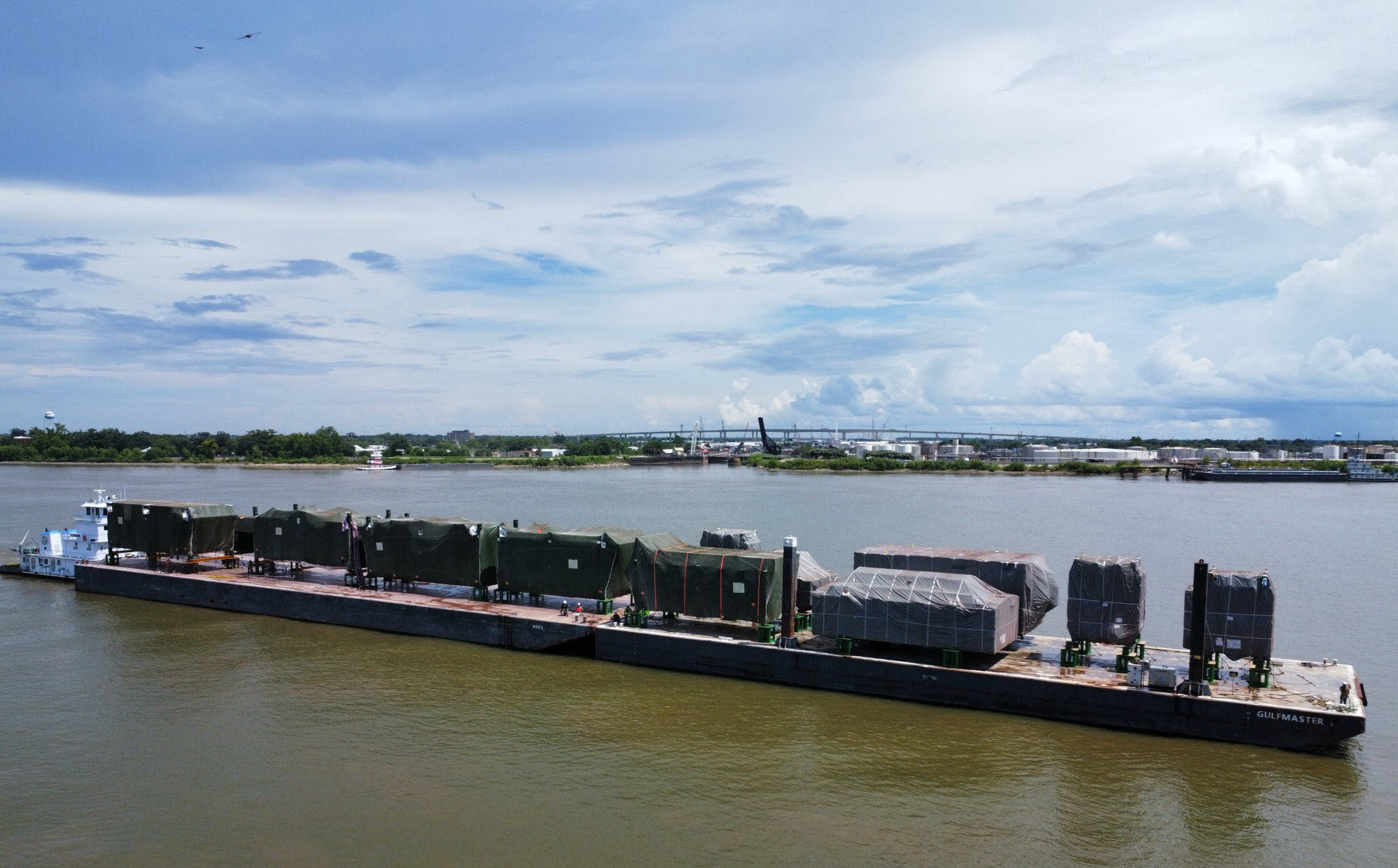
UTC experts developed a thorough method plan to send the cargo via barge up the Mississippi River to the Missouri River to get to Brownville. The equipment would then have to travel some 180 miles from Brownville to Hastings via road, requiring not only DOT permits, but also extensive utility work to avoid overhead obstructions.

12407221_July_25_2024(131)

Seamless Multimodal Transport

The first reactors originating in Spain were delivered to Houston and trucked on specialized dolly systems to Hastings during the fourth quarter of 2023. In 2024, large module components originating in Shanghai were transported via heavy lift vessels to New Orleans with the help of UTC's China offices.

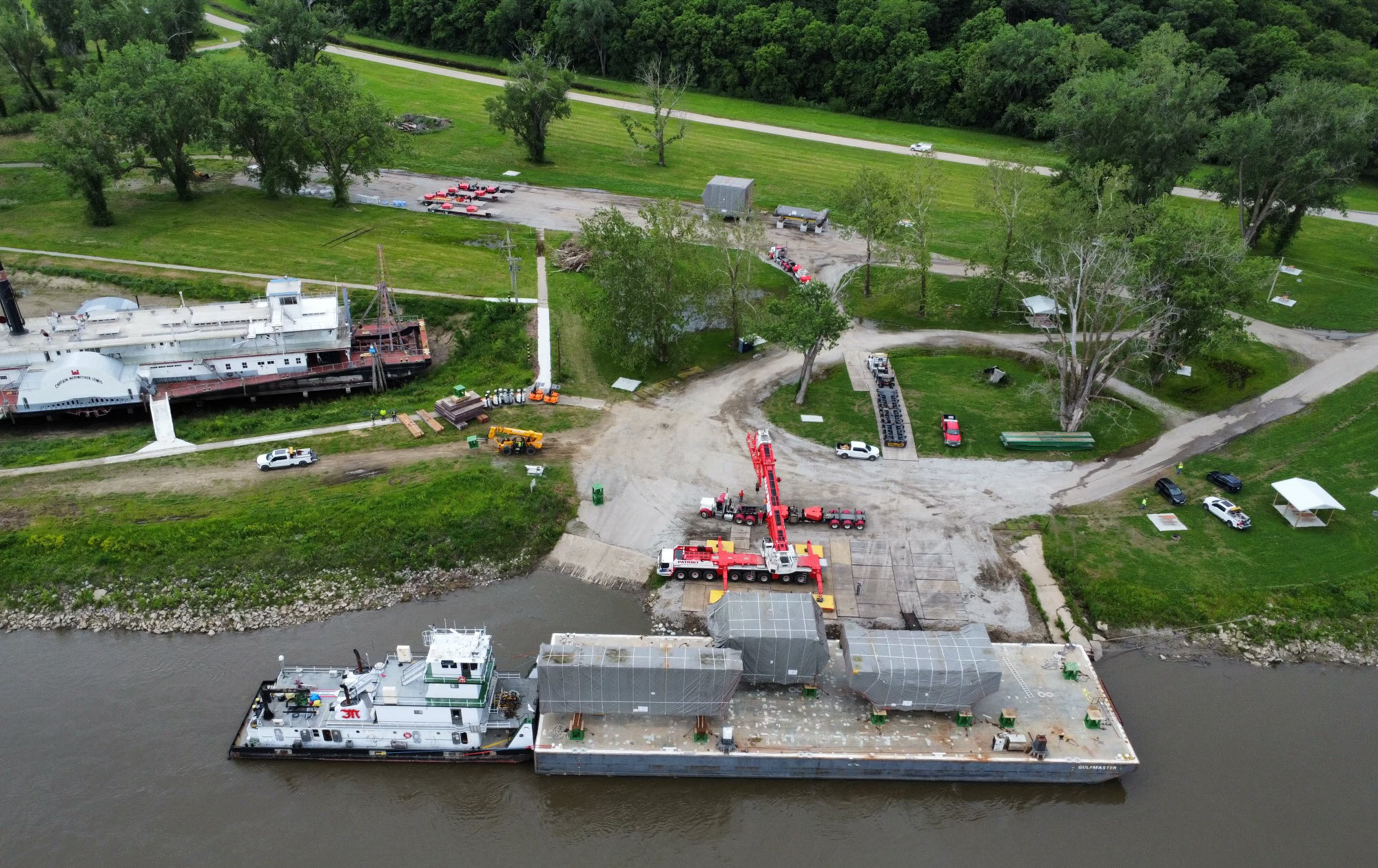
After this modular equipment was cleared through customs, shipments departed from the New Orleans entry port in February and April of 2024, traversing the Mississippi and Missouri Rivers on a 180' x 54' spud barge and a 250' x 54' deck barge.

NZBE0721 crop

Fast-flowing Waters Necessitate a Change in Plans

The Missouri River is free-flowing and joined by numerous tributaries. With its many sand bars, the river is challenging to traverse, poses a risk to boats, and requires a local tug captain to navigate.

The initial plan was to place the first deck barge perpendicular to the shoreline in Brownville for a roll-off operation. however, the Missouri River levels and currents were unusually strong and high, measuring approximately 3.5 knots, and even with two assist tug-boats and the mooring system tied up to bulldozers and tractors on land, it was deemed too risky to unload in that fashion, so an alternate plan was implemented.

DCIM100MEDIADJI_0077.JPG

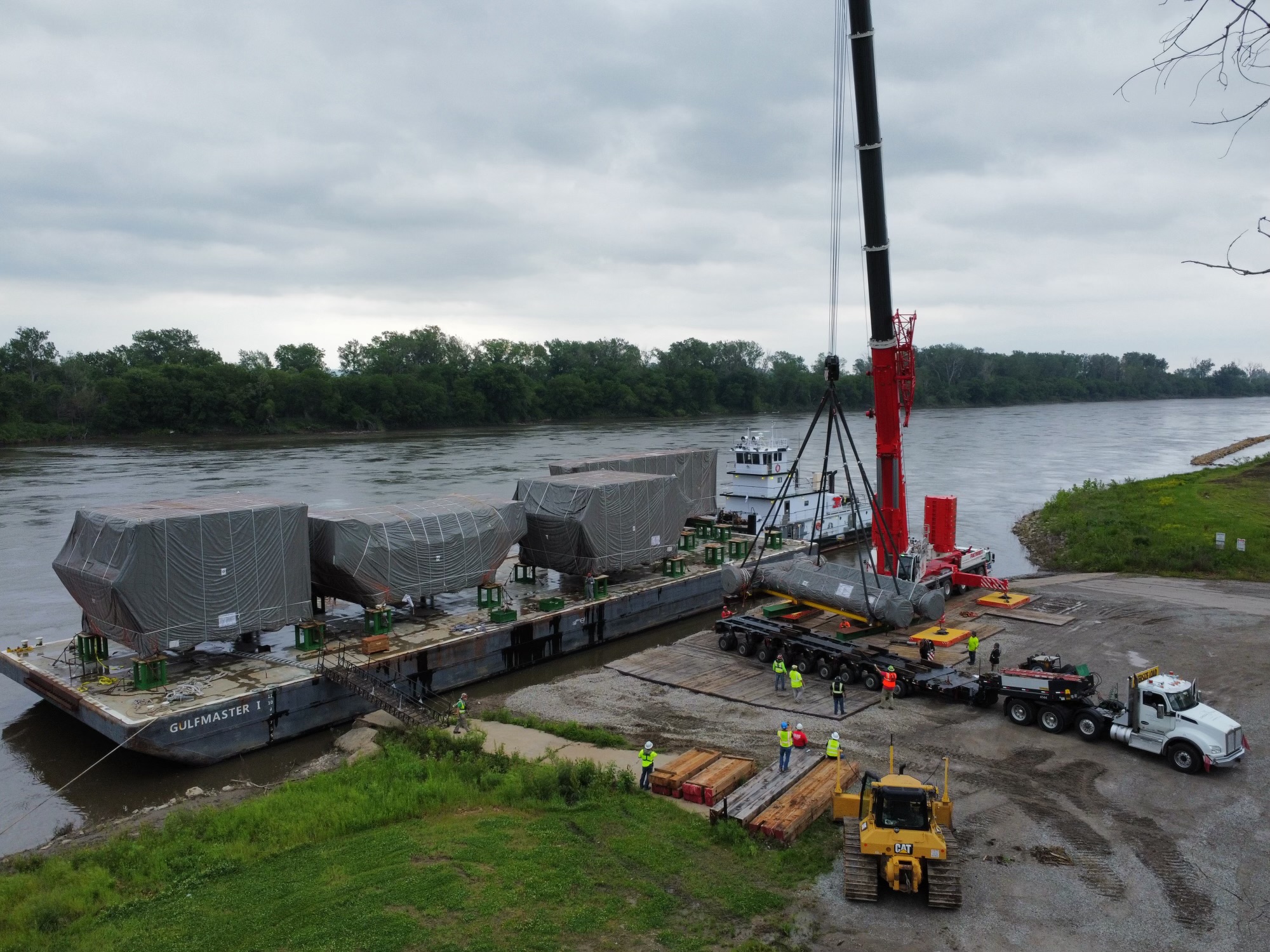
Instead of rolling off using a SPMT, they decided to use a hydraulic crane. At the offloading site, a compaction test of the prepped area was conducted with the assembled crane boom slewing 360 degrees in timed intervals. No movement or shifting was observed under all four crane outriggers with load spreaders. With all precautions taken, it was safe to proceed.

The city of Brownville allowed UTC to use a solid laydown yard with an asphalt base near the landing area. Some of the modules were unloaded using the crane and moved to the temporary laydown yard.

Extreme Weather Conditions

It is well-known that the Missouri River is prone to flooding. Due to this, UTC’s team was diligent in routinely checking weather and water levels, especially during the ongoing operations.

The first two pieces were unloaded and moved to the staging site. Winds picked up and exceeded 20 mph, the maximum safety level for crane discharge. At the same time, they noticed the river gauge showed an 11-foot rise over the next few days. The crew consulted the Army Corps of Engineers website, which gauges water level fluctuations on the river, and discovered that flood gates in the North at Gavins Point Dam had been opened due to torrential rains feeding into the tributaries. Projections were certain that the landing area would be underwater by nightfall.

20241001_074412

Quick Thinking to Overcome Rising Waters

Matt Loll, UTC Executive VP of Global Project Development, recounts the harrowing conditions. “As hours passed, waters rose, and the crane was de-mobed and moved to protect equipment and labor. The entire staging area had to be vacated. A few hundred yards downriver, near a riverboat hotel utilized as an accommodation point, we discovered a calm cove protected from strong currents. The property owner was agreeable and very helpful in assisting with excavating the land area so the barge could dock at an even level. We built a ramp to allow the remaining three modules of equipment to roll off.

Additional challenges arose, and a build-up was necessary to allow the pieces to move from the new barge landing area to the new laydown site. The area was wooded, with no clear path for the equipment. Civil works and matting were necessary throughout to remove soil, rocks, and other debris and build a temporary bridge bypass allowing movement over the mooring system anchoring the riverboat hotel and matting a path to the laydown area. Mooring cables had to be protected and were channeled through cement blocks for stability. The remaining three modules rolled off and were parked in the hotel parking lot.”

The second lot, with 2 deck barges loaded with 12 modules in total, arrived in July of 2024. After unloading by the same roll-off method at the new landing-cove, they were again hit with near-record-breaking flooding of the Missouri River. UTC’s team prepared and elevated all modules on stands and beams to protect them from rising waters.

12407221_July_28_2024(34) crop

Utility Companies Play a Key Role in Safe Transport

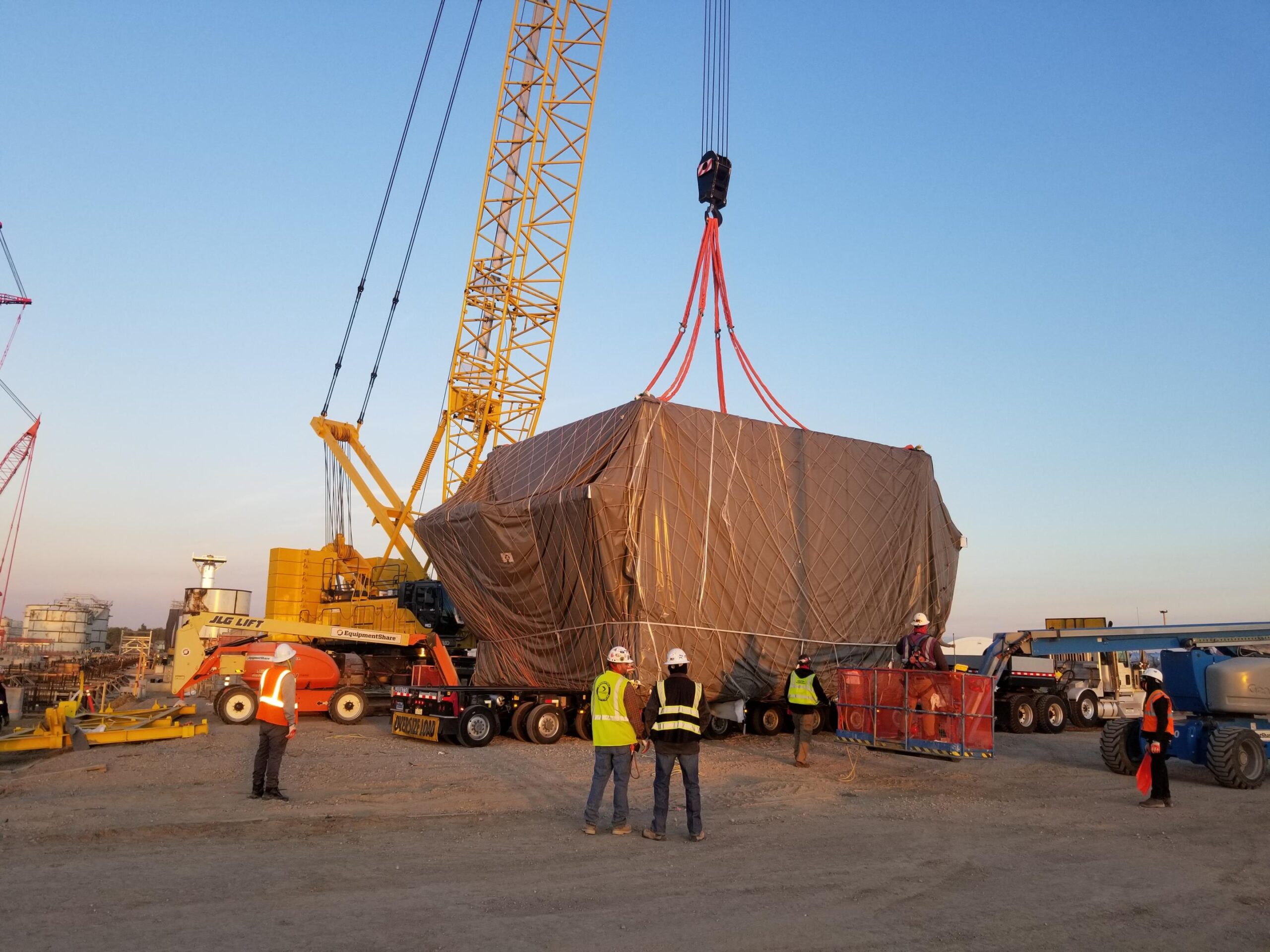
Staging the cargo was done at the roll-off locations in Brownville because it could not move to the job site until utility companies lifted wires along the route. There were 113 power and cable lines crossing the roads – a combination of residential and agricultural lines. Coordination had to be done with 13 different utility companies to clear the way for safe transport. Some components were 21 feet in height and could not clear the lines even when lifted using bucket trucks.

With the help of the project owners, the entire team had to negotiate with local utility companies from the end of 2023 until the end of 2024 to raise or exchange utility poles so the module heights could clear the lines safely. The majority of the power poles could only be raised/exchanged in the early fall to avoid interrupting agricultural harvests. This meant that the modules had to be staged for a few months before the move to the final leg to the jobsite could take place.

Averting Customs and Duty Concerns

Another significant challenge was the customs clearance process. There were concerns that anti-dumping and countervailing duties might apply to the equipment imported from China. To address this, UTC’s Alison Peters, Senior VP of Import Compliance, communicated early on with the client to ensure the proper codes were applied.

Alison and her team worked closely with customs brokers and legal experts to classify all components correctly, minimizing duties.

dji_fly_2(159) crop

Heavy Haul Move to Final Job Site

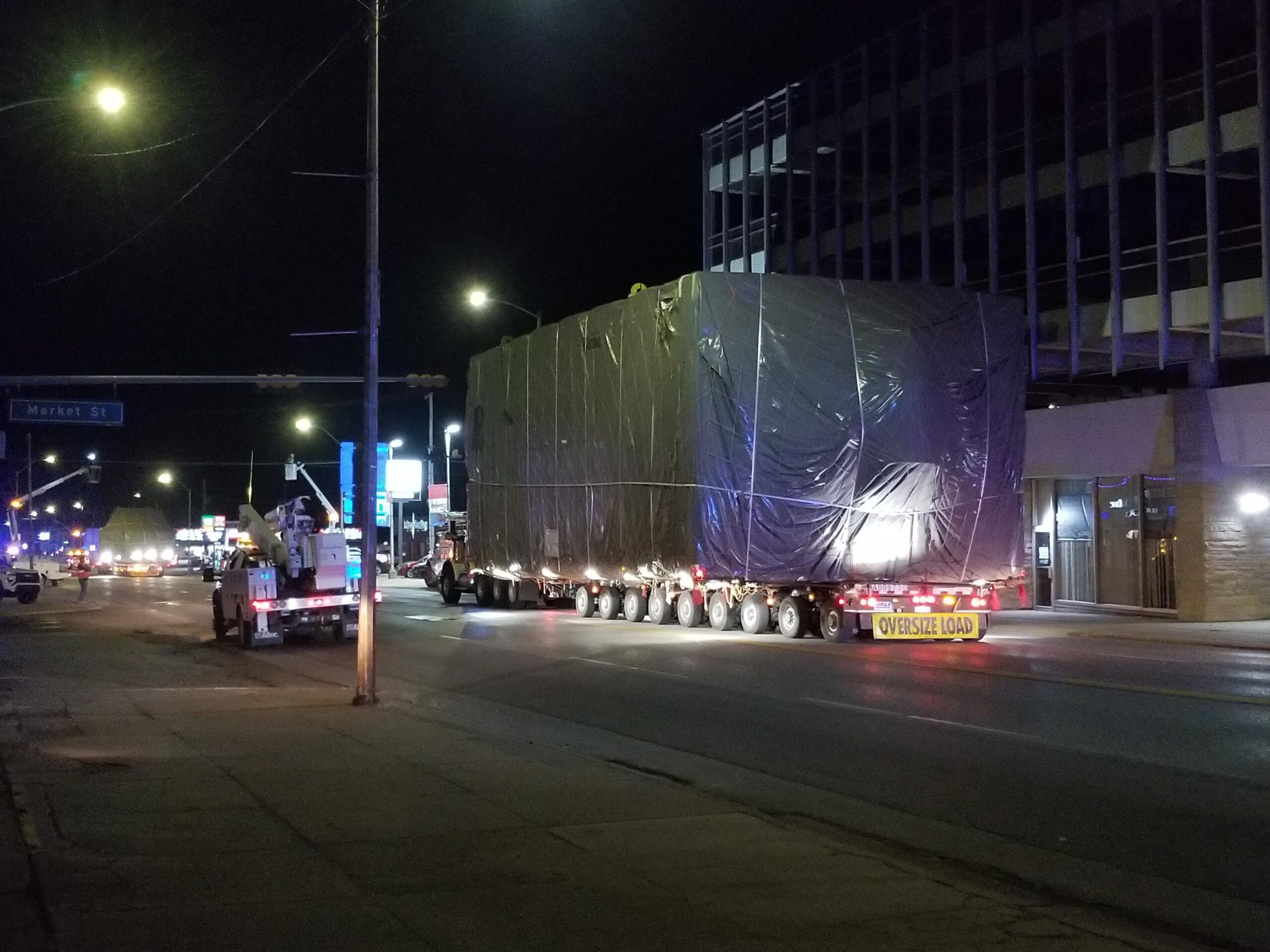
“In the fall of 2024, the convoy of machinery began moving from the temporary storage area to the job site. The moves were done two modules at a time with police escorts. In addition, a collaboration of utility companies joined the convoy, each covering their section of the route and adjusting lines. With pole replacements now complete, the larger pieces could clear the lines. A total of 17 modules were transported in eight-night moves,” states Michael Kaemerow, Project Director.

Inline image showing the UTC Overseas crew moving two huge Biofuel Refinery Plant modules with police escorts through a section of town during the night.

UTC Professionals Overcome Logistics Challenges

The entire process included over 2 years of surveys, planning, and execution, and involved coordination with various local and national agencies, including the Nebraska Department of Transportation (DOT), barge operators, utility companies, our heavy haul partners, and local governments.

UTC’s team of professionals overcame several challenges:

  • Two major floods and extreme wind conditions
  • Difficult terrain
  • Components close to 21 feet in height
  • Complex utility planning
  • Anti-dumping and countervailing duty concerns
  • Excavating barge landing areas and building a bypass bridge

Despite numerous diversions, the team successfully managed this large-scale transport and logistics operation, keeping the project on track and delivering the equipment to Hastings by the end of October 2024. The strength of UTC’s experienced and knowledgeable team and their ability to adapt to constantly changing conditions were on full display as they worked through numerous challenges to complete this job and meet the client’s timeline.

UTC's rail logistics team has specialized knowledge of your equipment, allowing us to provide the most innovative and cost-saving logistics solutions.

Read More

From Finland to Vietnam: The Epic Journey of Two Mantsinen 300ES Cranes

UTC's Global Heavy Equipment Group, UTC Overseas Finland, and their partners transporting two 400 MT Mantsinen 300ES cranes 27,800-kilometers by sea from the Port of Rauma, Finland, to Dung Quat, Vietnam.

From Finland to Vietnam: The Epic Journey of Two Mantsinen 300ES Cranes

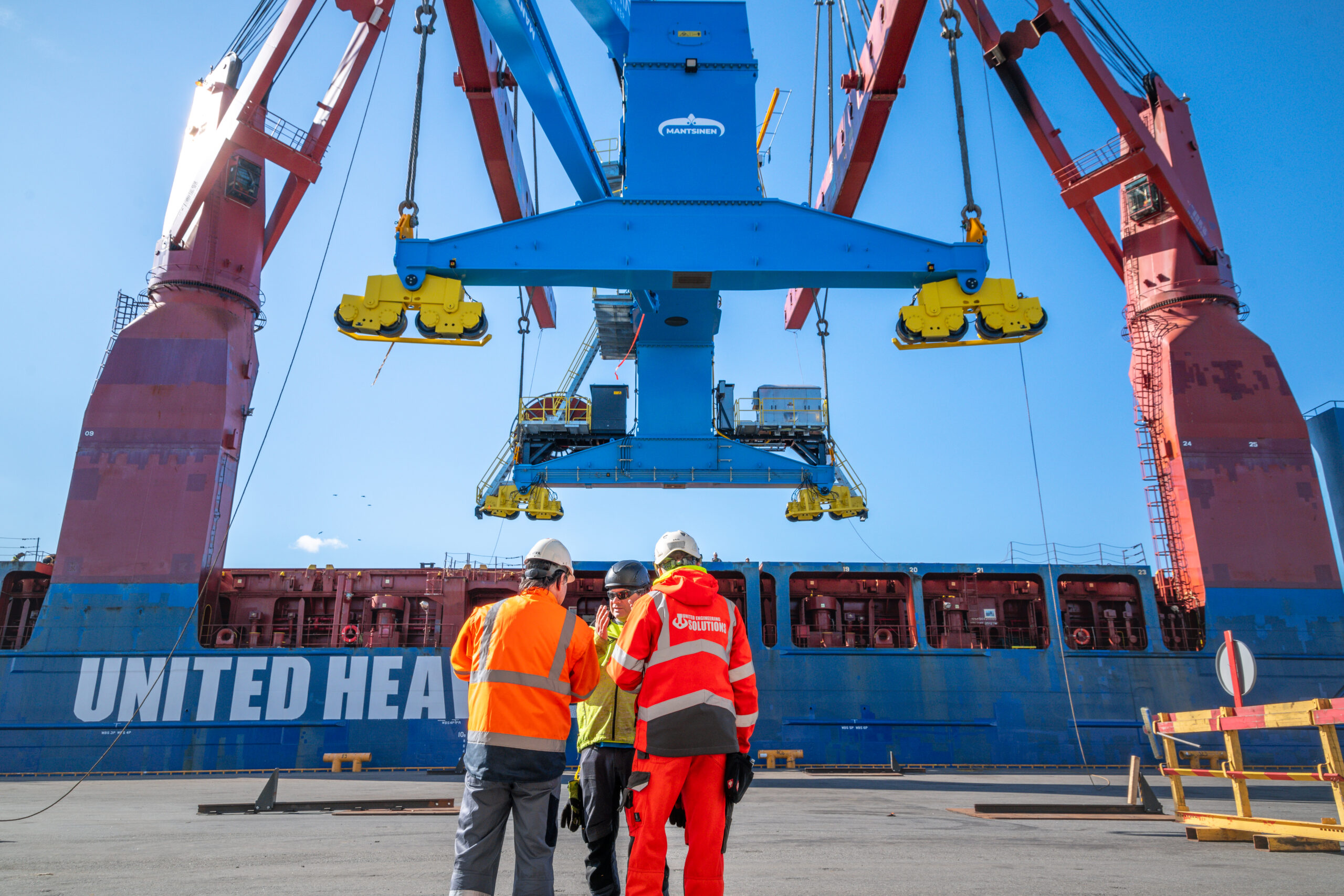
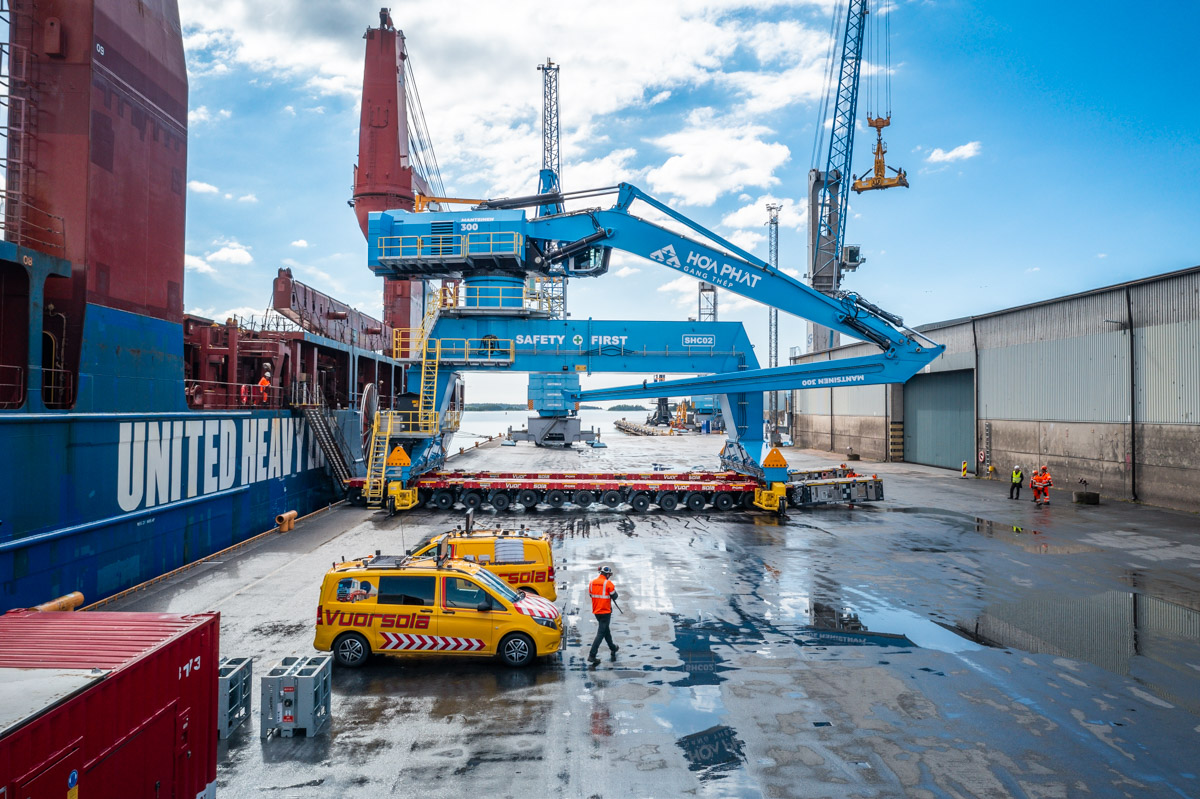
In a logistical feat spanning continents, two 400 MT Mantsinen 300ES cranes, known for their heavy-duty efficiency, embarked on a 27,800-kilometer journey by sea from the Port of Rauma, Finland, to Dung Quat, Vietnam. The project was a collaborative effort involving UTC's Global Heavy Equipment Group, UTC Overseas Finland, and their partners who expertly navigated the challenges of transporting these rail-mounted behemoths.

Mantsinen 300ES Cranes

The Mantsinen 300ES cranes are among the world’s most efficient material handlers, capable of tackling the toughest operations. While their size and width are crucial for their functionality, they present unique challenges during transport, especially for a journey of this magnitude.

To address the challenges posed by the size of the cranes, Vuorsola provided new self-propelled modular transporters (SPMTs). These cutting-edge transporters ensured the safe and smooth handling of the machines at every stage of the process. The team also worked closely with the port authorities and stevedores to create space in the container yard, enabling seamless operations during the loading phase.

Despite the complexity of the task, meticulous planning and collaboration paid off. After positioning the cranes, the weather cleared, and the sun broke through—a fitting sign for the smooth lifts and absence of delays that followed.

Mantsinen two 300ES Shipping, Vietnam, Dung Quat-17
Mantsinen two 300ES Shipping, Vietnam, Dung Quat-7

Teamwork

The transport required seamless coordination between all parties involved. The collaboration with port authorities and stevedores not only ensured operational efficiency but also highlighted the importance of teamwork in large-scale international projects.

The cranes were unloaded at Dung Quat, Vietnam, where they underwent rigorous testing to ensure they were fully operational. The project was an exciting challenge, leaving the team with a sense of pride in their achievement.

As the cranes are prepared to begin their heavy-duty operations in Vietnam, the successful journey stands as a testament to UTC’s power of innovation, collaboration, and meticulous planning in overcoming logistical challenges on a global scale.

UTC Overseas Executes Complex Maritime Transport

September 16, 2025

UTC OVERSEAS EXECUTES COMPLEX MARITIME TRANSPORT Seamless Offshore Mobilization In 2024, UTC Overseas executed a challenging maritime operation-successfully mobilizing the 2,024-ton Hamad Eagle lift boat via a complex float-off from a semi-submersible heavy-lift vessel at anchorage offshore in Angola. Precision marine engineering led by UTC was on full display throughout the operation and showcased the company’s aptitude for international collaboration, safety management, and energy-sector innovation. Without the need for conventional towage or drydock reactivation, the Hamad Eagle was delivered directly into operational service, establishing a new, efficient standard in offshore mobilization.   Thinking Outside the Box This mobilization project transported the Hamad Eagle,…

Transporting an SPM CALM Buoy from Dubai to Colombia

July 31, 2025

TRANSPORTING AN SPM CALM BUOY FROM DUBAI TO COLOMBIA Trusted Expertise in Complex Logistics UTC Overseas brings decades of proven expertise in the oil and gas sector, specializing in the transport of oversized, overweight, and high-value equipment essential to offshore rigs and related infrastructure. When a client approached UTC to assist with their latest project, they had full confidence in UTC’s ability to manage complex logistics operations and ensure timely delivery. UTC successfully transported a newly fabricated Single Point Mooring (SPM) CALM Buoy from Dubai to the Port of Santa Marta, Colombia. The buoy will function as the offshore mooring…

Read More