+1.713.869.9939
[gtranslate]
UTC Overseas: The Experts in Crane Transport

UTC Overseas: The Experts in Crane Transport
UTC Overseas

The Experts in Crane Transport
DJI_20251113123954_0049_D-HDR.jpg

Heavy Lift Specialists

The UTC Overseas Heavy Equipment division specializes in the transport of oversized and out-of-gauge machinery. With decades of experience and a dedicated focus on heavy equipment logistics, the team has successfully handled every type of crane transport, servicing major crane manufacturers as well as a worldwide network of dealers.

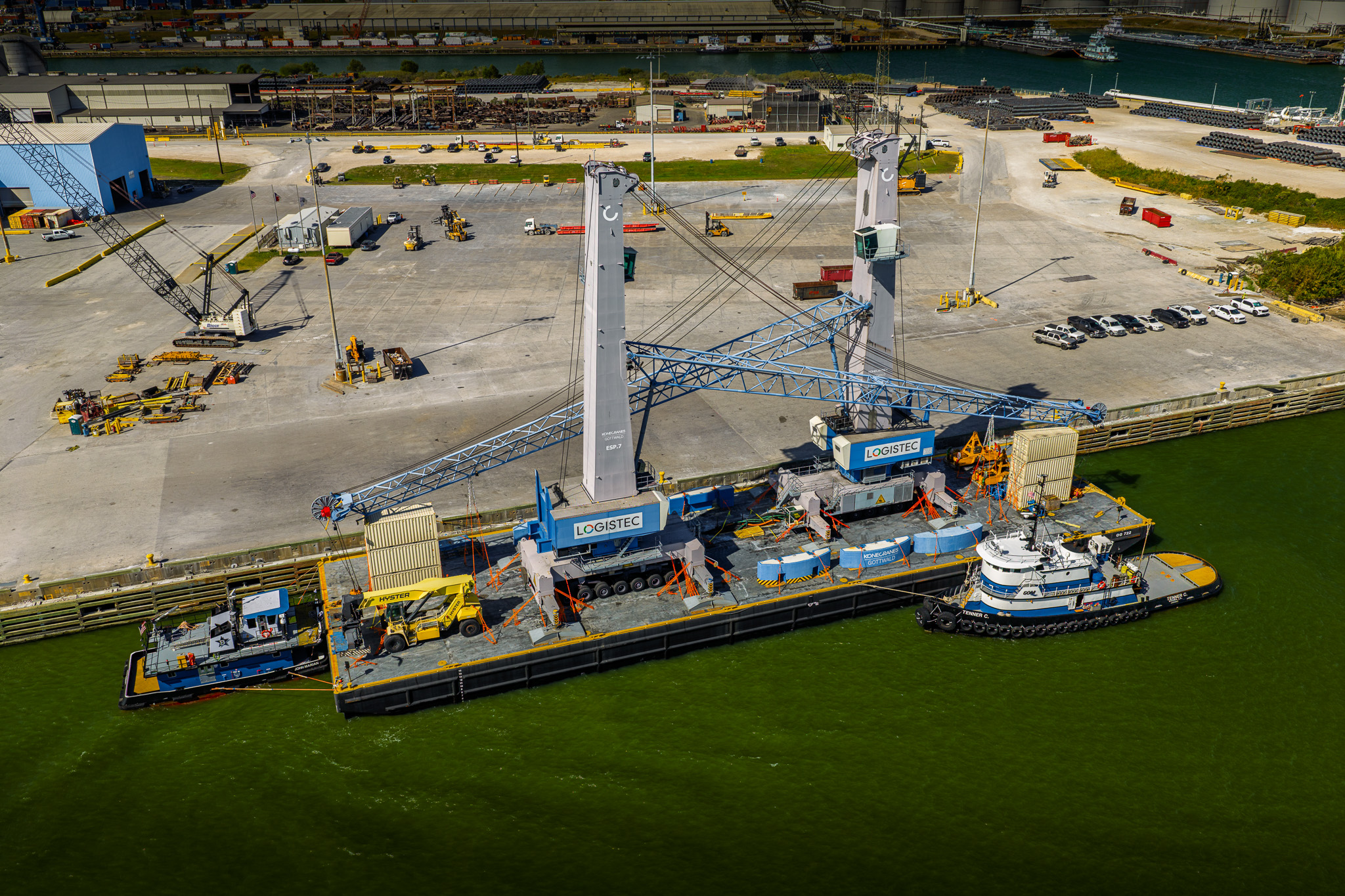
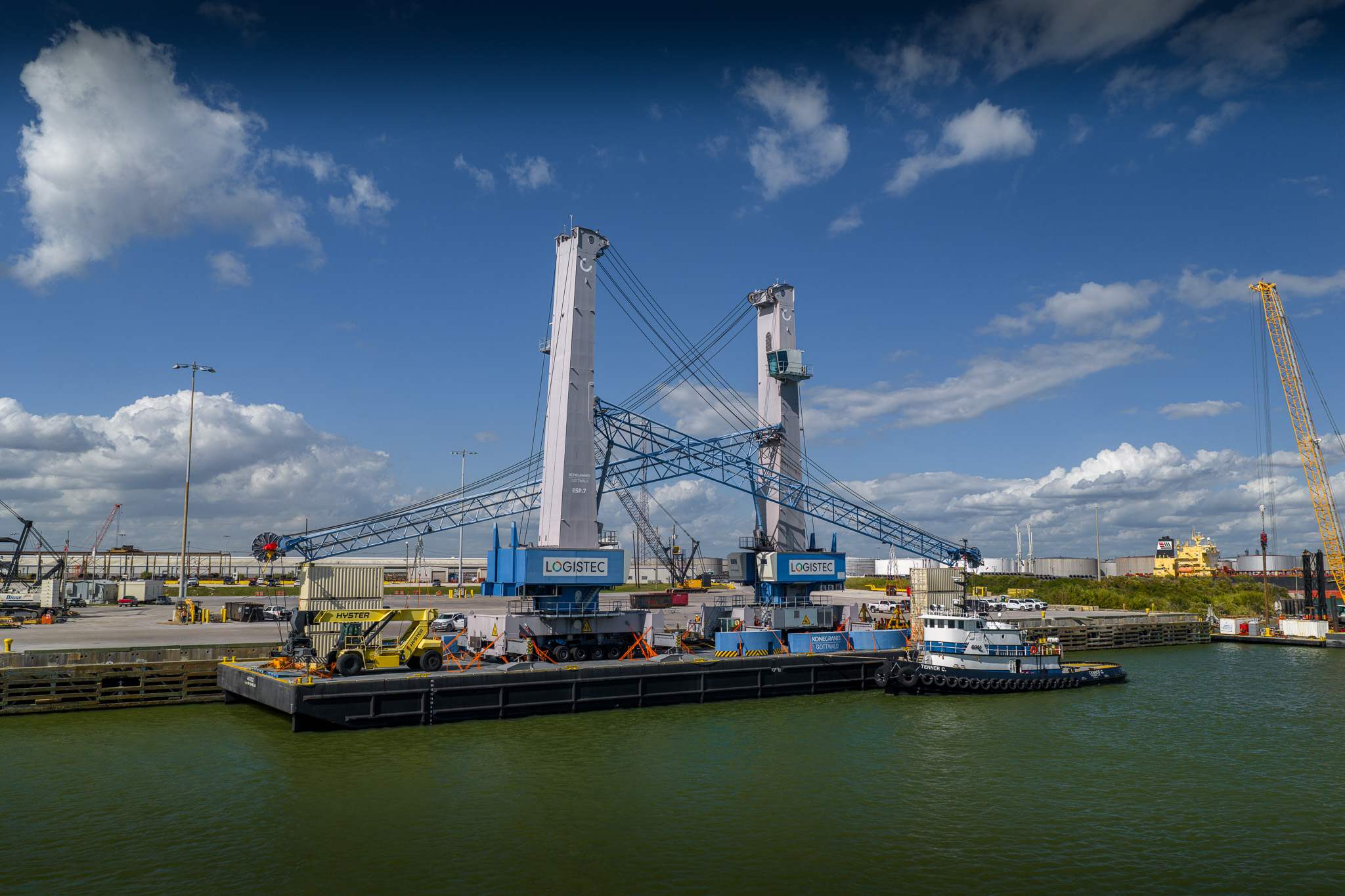
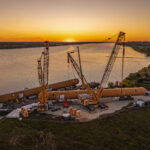
When a manufacturer wanted to move two mobile harbor cranes in the most expedient and cost-effective manner, they called on the experts at UTC Overseas HE to do the job. The cranes, along with a reach stacker—the three pieces together exceeding 700 metric tons—were slated to move from Tampa, Florida, across the Gulf to Houston, Texas.
UTC Overseas Heavy Equipment
UTC Overseas Transport

A Challenging Task

Transporting equipment of this scale presents significant logistical and engineering challenges. Traditional overland transport would have required full disassembly and reassembly, extending the timeline by weeks and involving multiple trucks—substantially increasing overall costs. By transporting the units fully assembled, UTC Overseas HE achieved considerable savings in both time and expense.

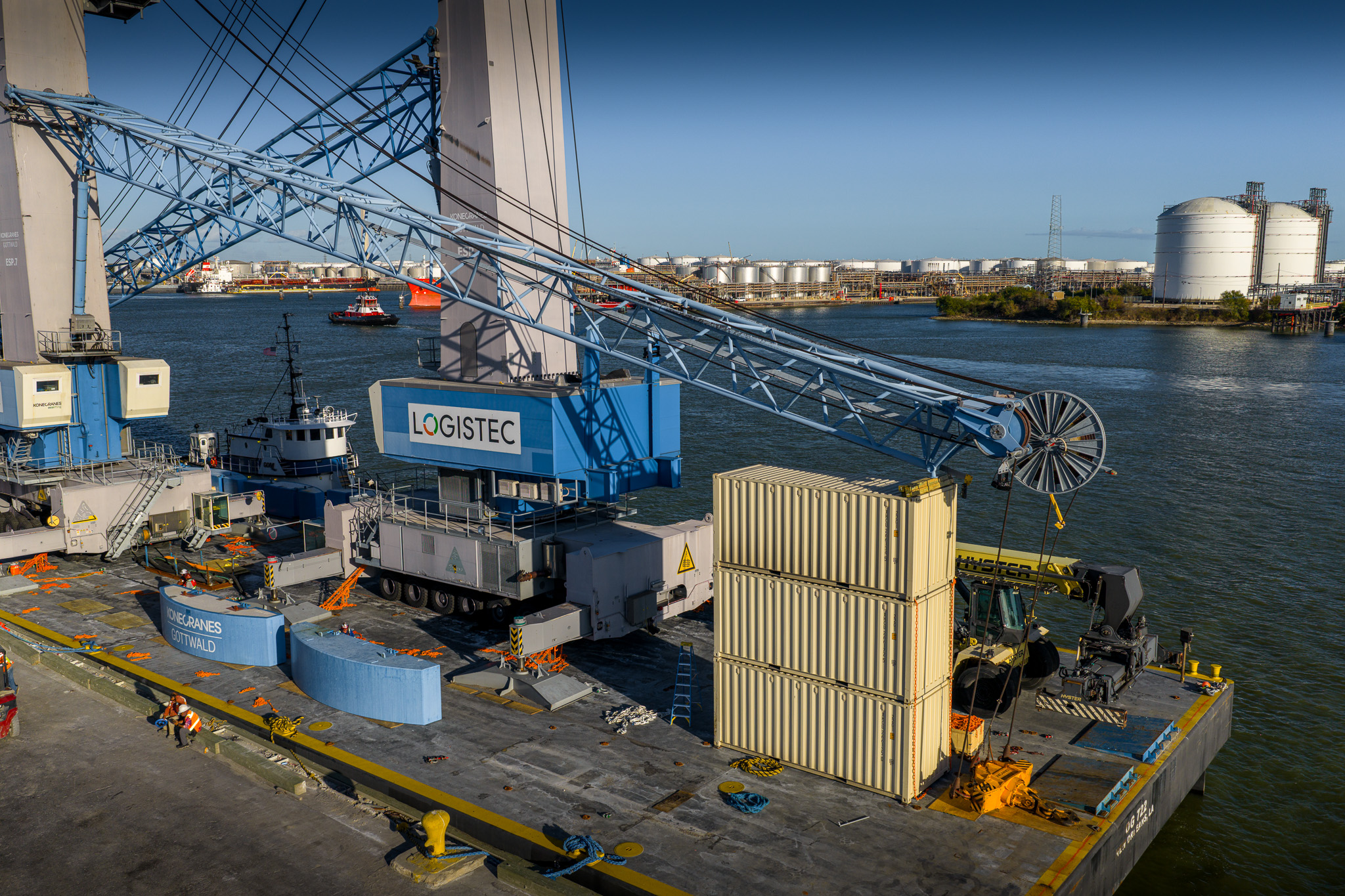
Additionally, the cranes—each weighing close to 360 metric tons—featured pre-welded tie-down points, leaving no margin for error in securing the cargo. Once loaded, cranes removed the counterweights, while measures to stabilize and restrict movement in transit were implemented to ensure the safety and integrity of the shipment.


Thinking Outside the Box

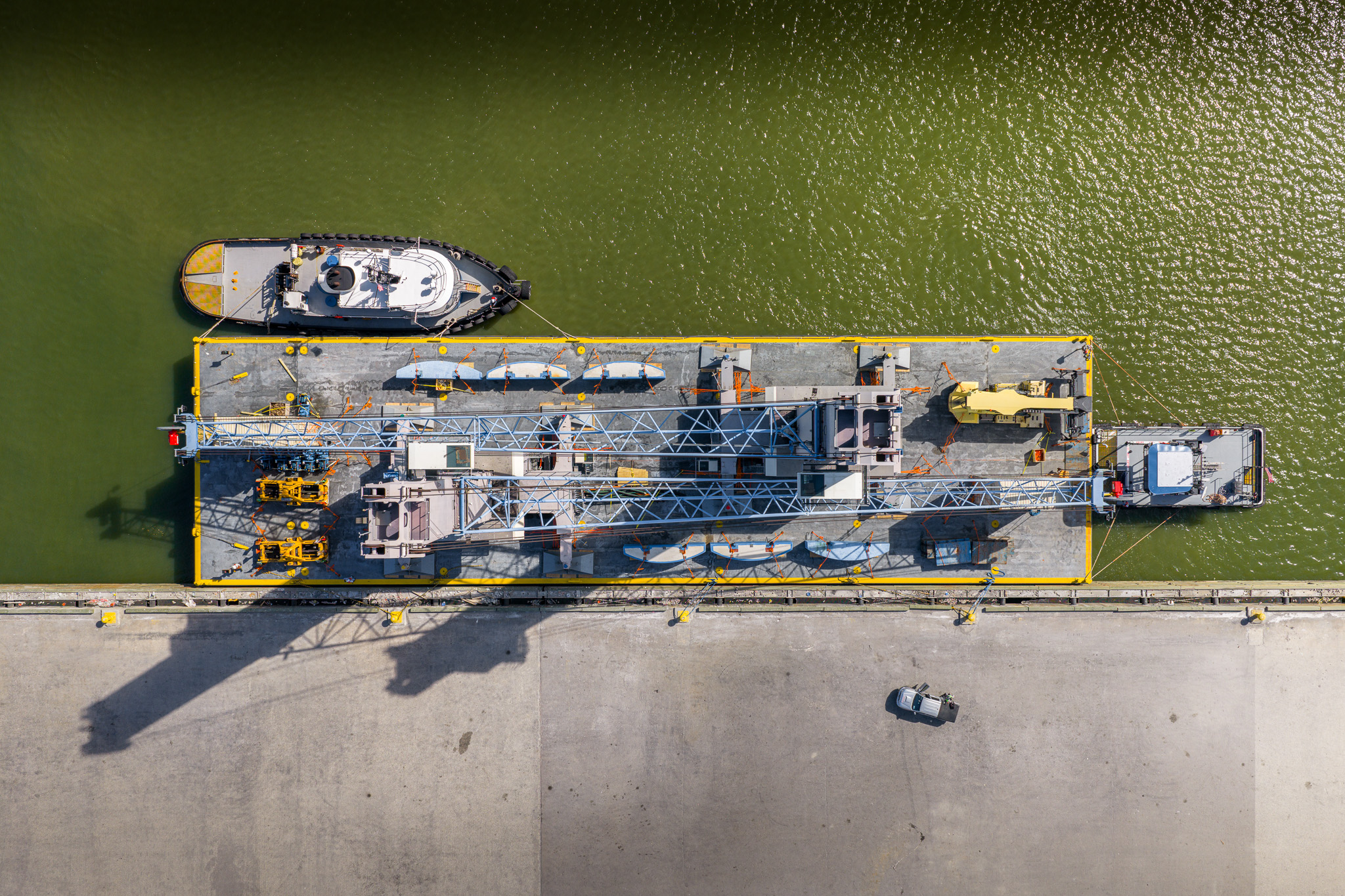
UTC Overseas developed a customized barge transport solution that allowed all equipment to be moved fully assembled. Custom-engineered ramps enabled the cranes and reach stacker to be driven directly onto the barge.

Continuous ballasting was used to maintain stability throughout loading, transit, and discharge. This was especially critical when handling multiple cranes and a reach stacker, as even minor imbalances could create hazardous listing and risk damage to the equipment.
UTC Crane Transport

Over 120 tie-down points were used to secure the cargo. These were pre-welded, so 100% accuracy and precise alignment were essential—if one were off, they would all be off, compromising the securing plan. Any miscalculation would have required cutting the welds and repositioning, resulting in a lengthy delay.

By selecting a barge over a U.S.-flagged vessel, UTC Overseas reduced transport costs by nearly 50%. Additionally, barge transport saved on trucking expenses, and shipping the machinery assembled eliminated days of disassembly and reassembly along with the required labor.
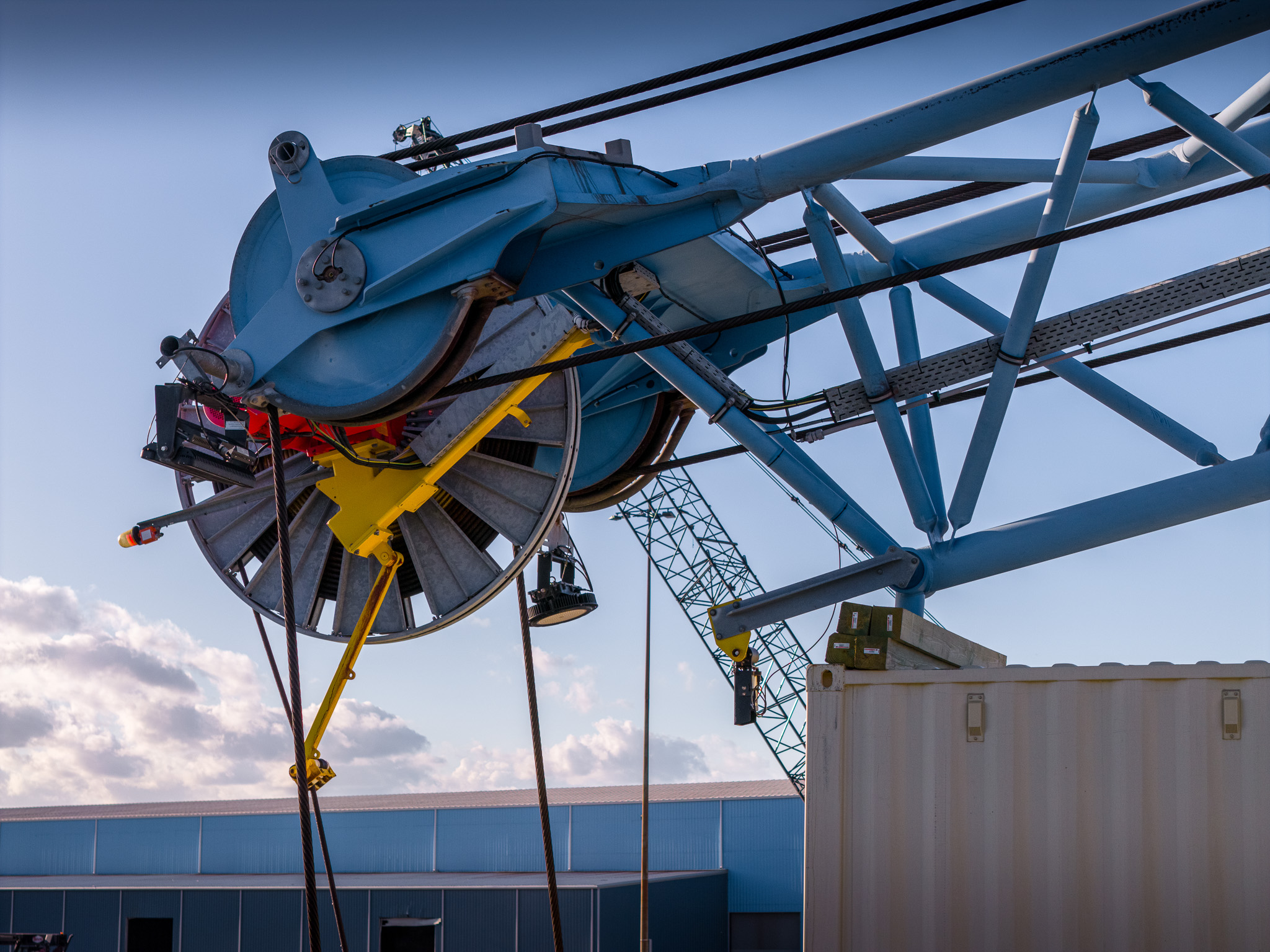
UTC Heavy Haul Transport

Preparation was Key

Site visits at both departure and arrival points were critical to assess ramp requirements, dock conditions, bumpers, and the overall structural capacity of the job site to align plans to resources. Key factors such as the distance from the dock edge to the waterline and current movement were carefully analyzed to properly position the barge and coordinate ballasting operations.

Weather is always a consideration when transiting the Gulf, and it must constantly be monitored with backup plans and contingencies at the ready. In addition, the insurance company mandates limits for winds and swells, and when conditions took a turn, a new alternative route was implemented. Rather than following the most direct path, the vessel had to hug the coast to ensure wind and swell limits were compliant with insurance parameters.
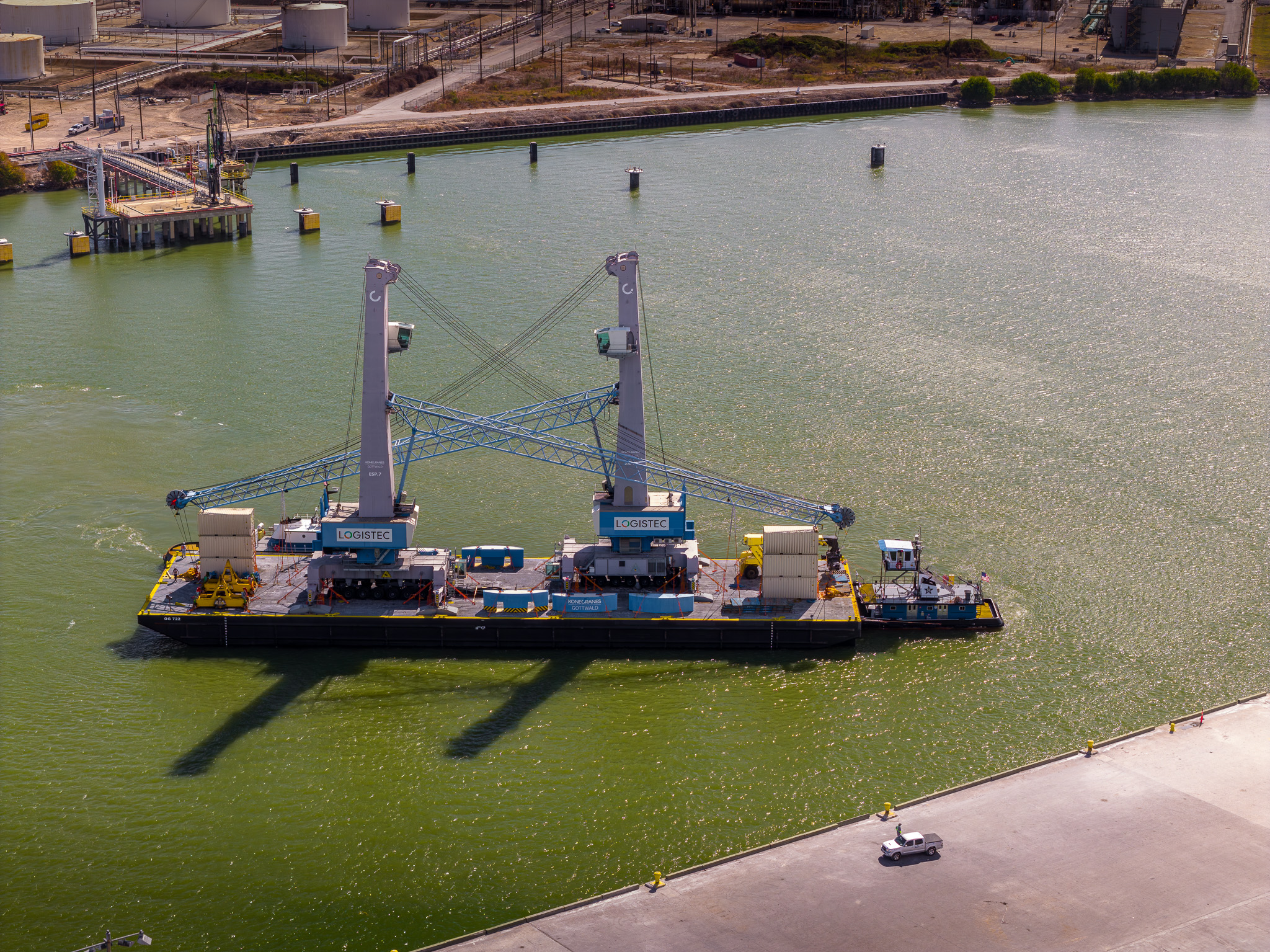
UTC Overseas transiting the Gulf

Ready To Roll

Upon arrival in Houston, the team carefully removed all securing chains, re-ballasted the barge to match the terminal’s dock height, and drove off the reach stacker and cranes. The equipment was delivered intact and on time.

This project demonstrates how forward-thinking logistics strategies can transform complex heavy equipment transport. By moving fully assembled cranes via barge, UTC Overseas minimized transport and assembly costs and accelerated delivery while maintaining a high level of safety and precision.
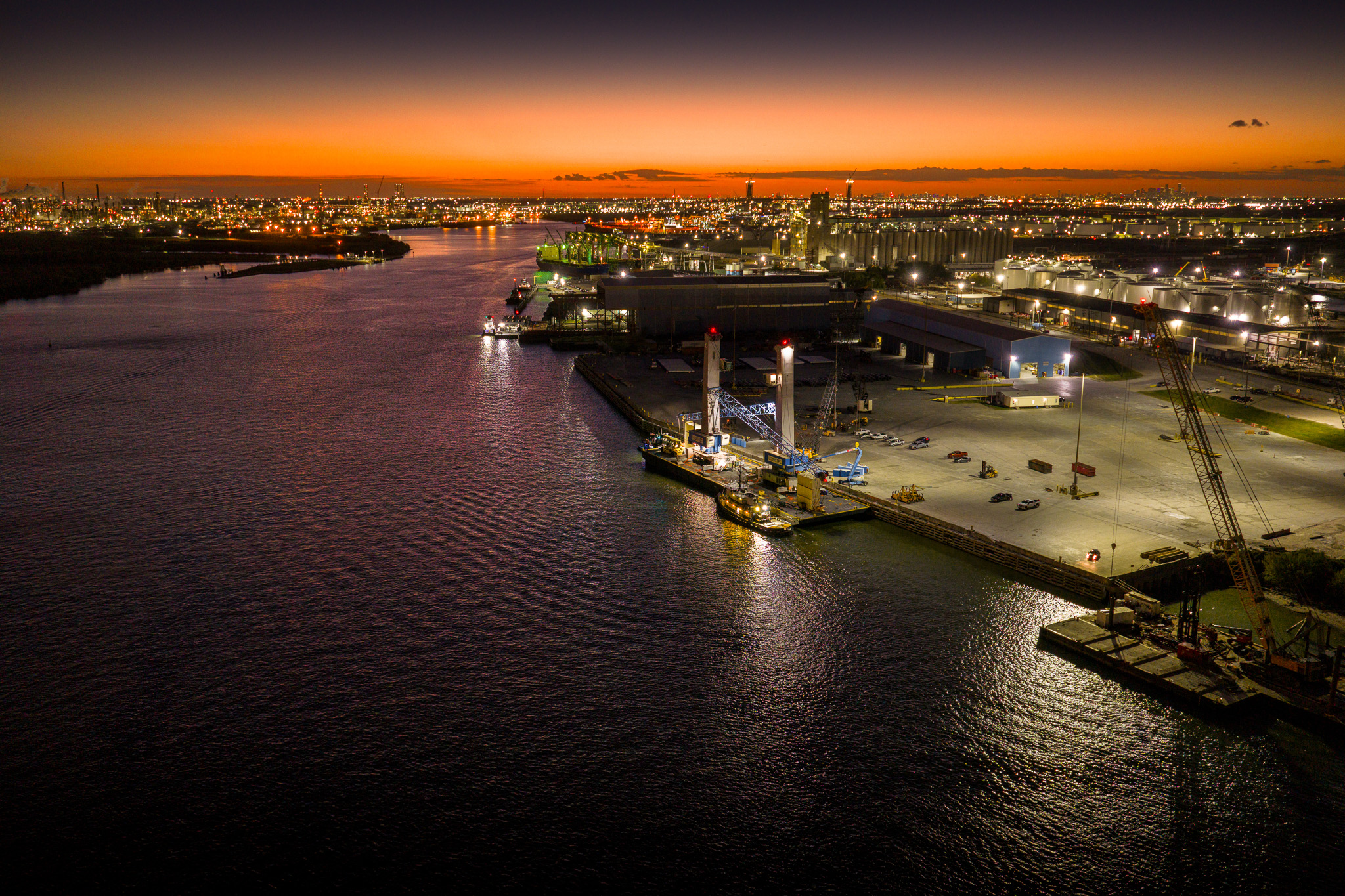
UTC Overseas Experts in Logistics

Quick Operation Under Pressure

One of the most complex parts of the operation occurred when passing through the river locks. The additional buoyancy tanks made the barges too wide to clear the locks. Divers were employed to quickly dismantle the tanks before entering the locks. UTC’s team anticipated this occurrence and designed the system for quick disassembly while the load was still onboard. Precision scheduling and coordination were critical for this intricate maneuver. There were extreme space constraints, and timing was of the utmost importance to allow river traffic to proceed unimpeded.

Expertise That Excels

UTC Overseas HE has been managing these types of projects for over two decades. “We specialize and excel at these projects since this is all we do all day, every day. We take great pride in the safety of the cargo and the personnel on the job site,” remarks Patrik Meyer, Global Director UTC Overseas Heavy Equipment. “We are constantly learning and adapting - learning about our customers, the equipment, their needs and wants, and how to provide a better customer experience.”

When it comes to transporting cranes, no one can do it better than UTC Overseas. With a dedicated Heavy Equipment Group, UTC Overseas has been moving these machines for over 20 years and has a strong knowledge base and expertise unmatched by anyone in the industry. We don't just ship cranes; we know everything about them.
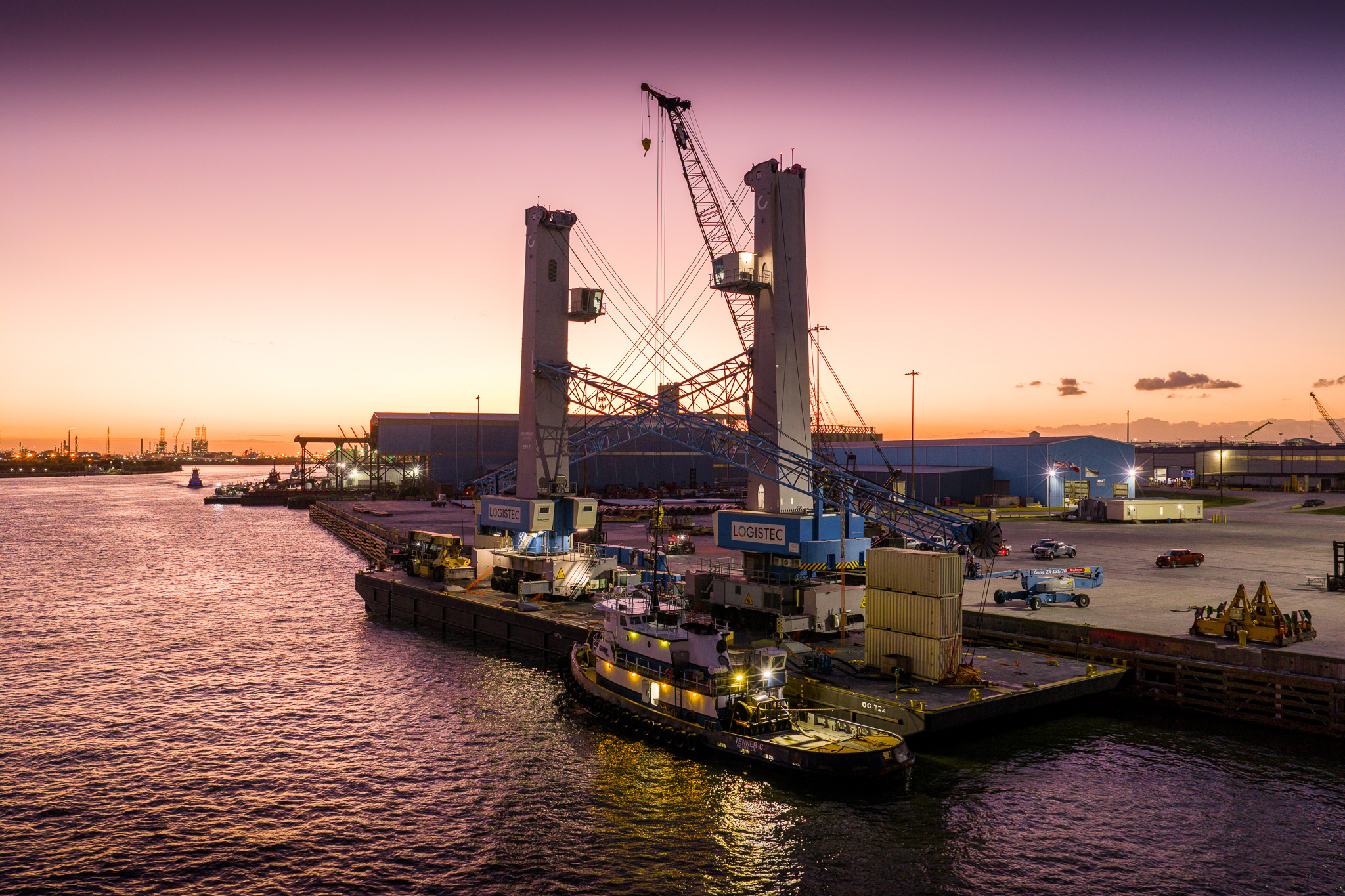
UTC Overseas HE

UTC's rail logistics team has specialized knowledge of your equipment, allowing us to provide the most innovative and cost-saving logistics solutions.

Read More

UTC Overseas: Engineering Excellence Under Pressure

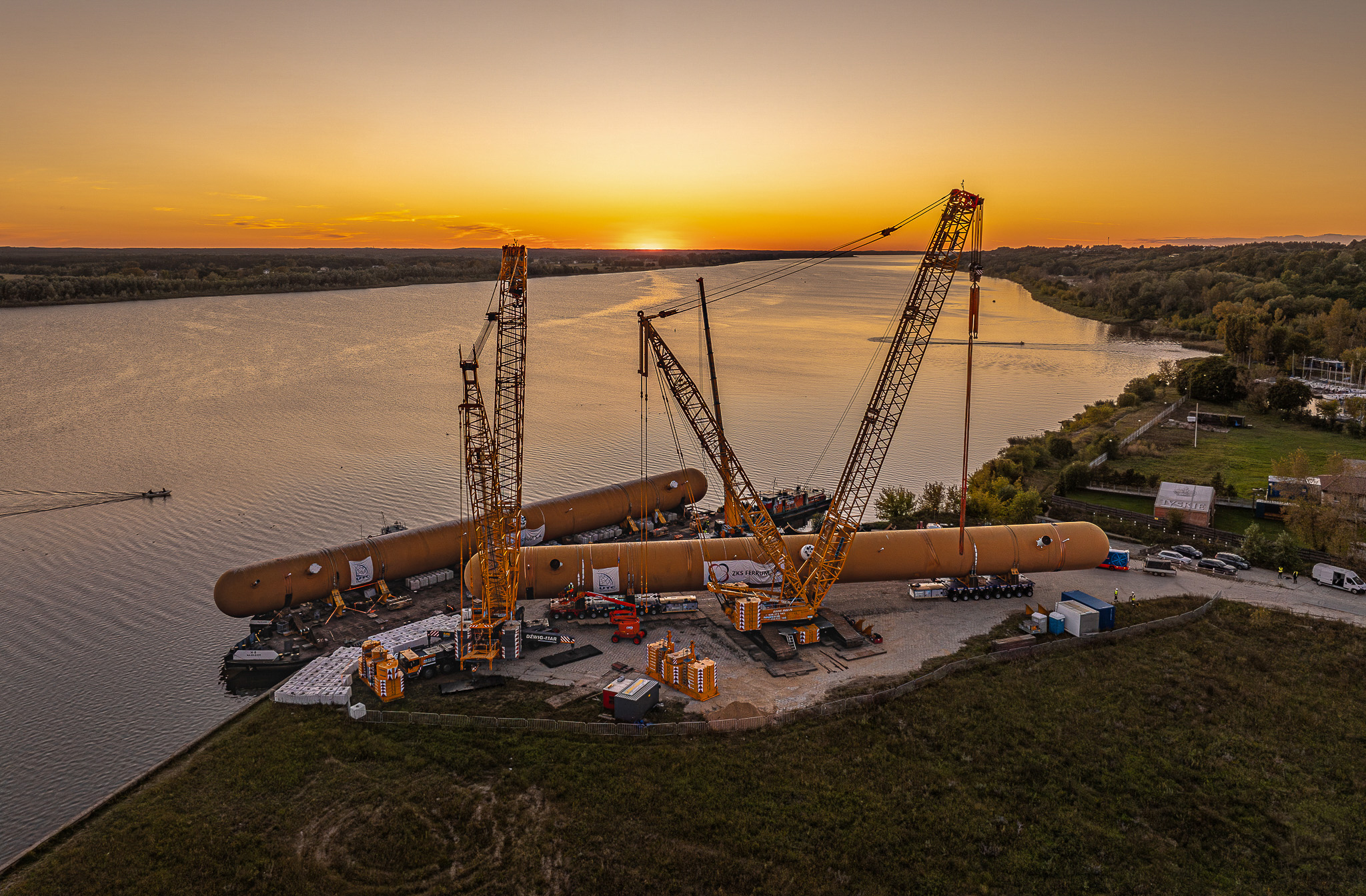
Heavy lift operation at sunset showing oversized LPG storage tank transport along river port

UTC Overseas

Engineering Excellence Under Pressure

DJI_20250924183756_0143_D-HDR.jpg

What began as a bold, high-stakes engineering mission to transport massive tanks along the Vistula developed into an eight-month project conducted during the river’s driest period in history. Tasked with moving enormous LPG storage tanks via barges, the UTC Overseas team faced a complex logistical undertaking that posed massive engineering challenges at every step.

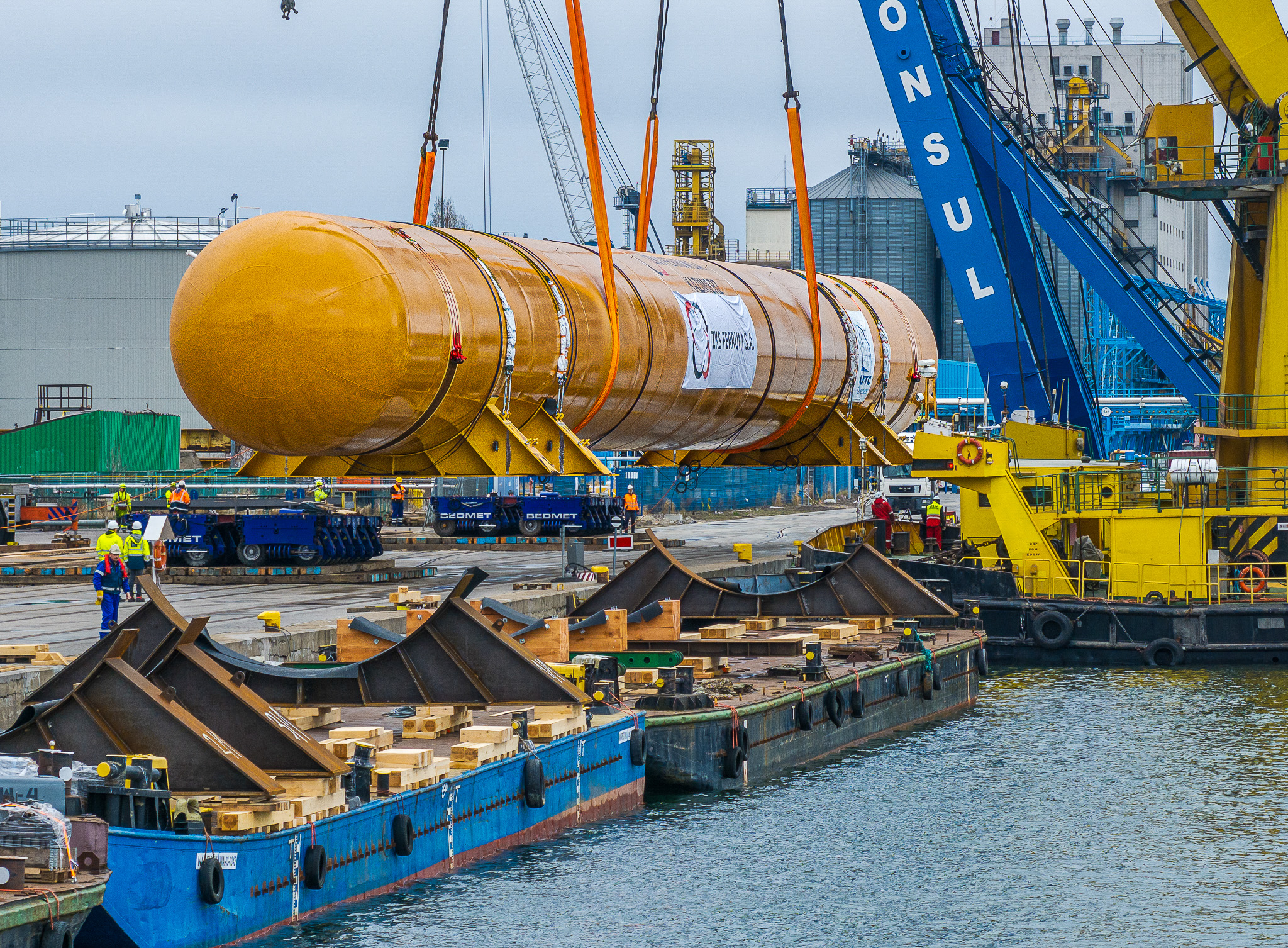
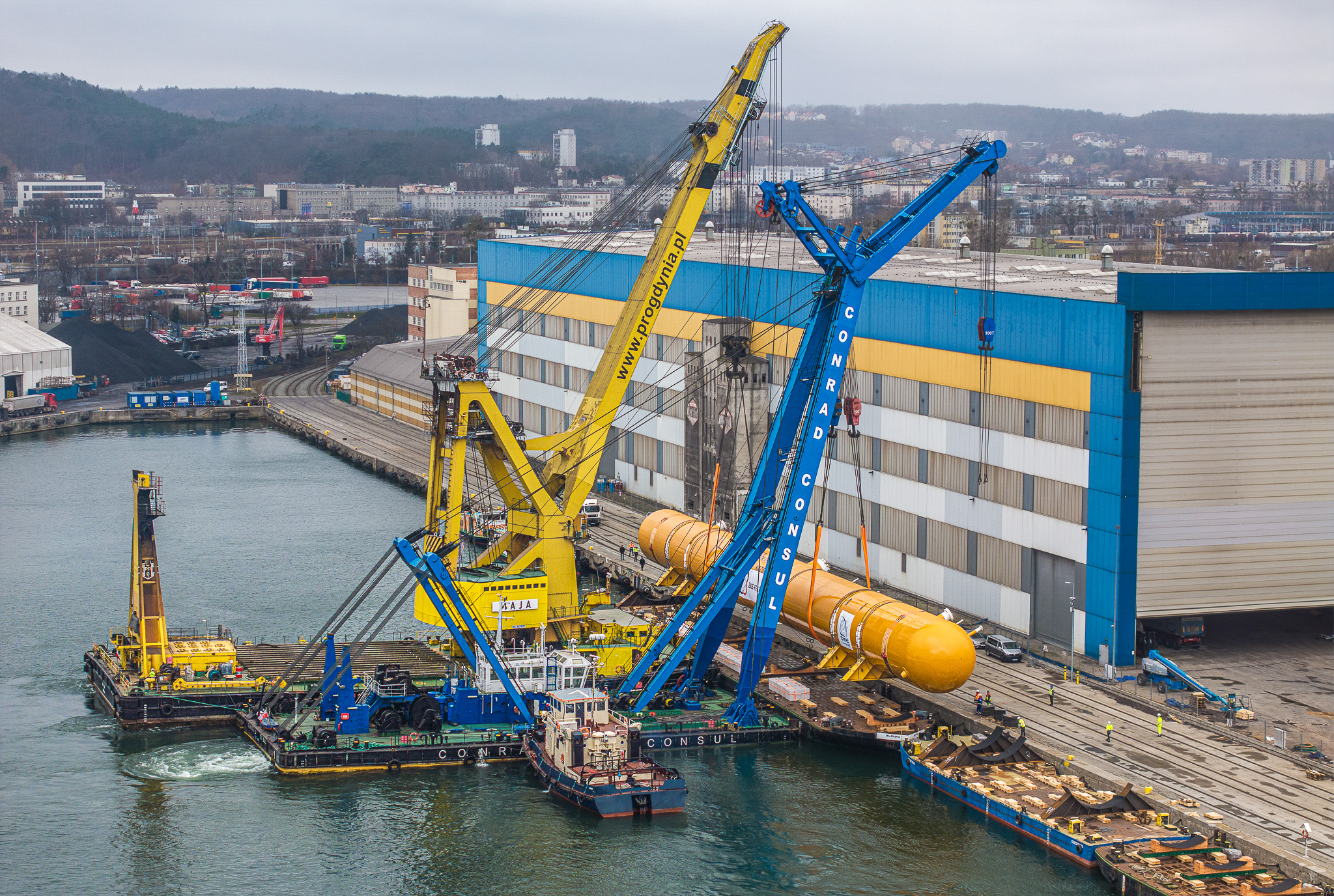
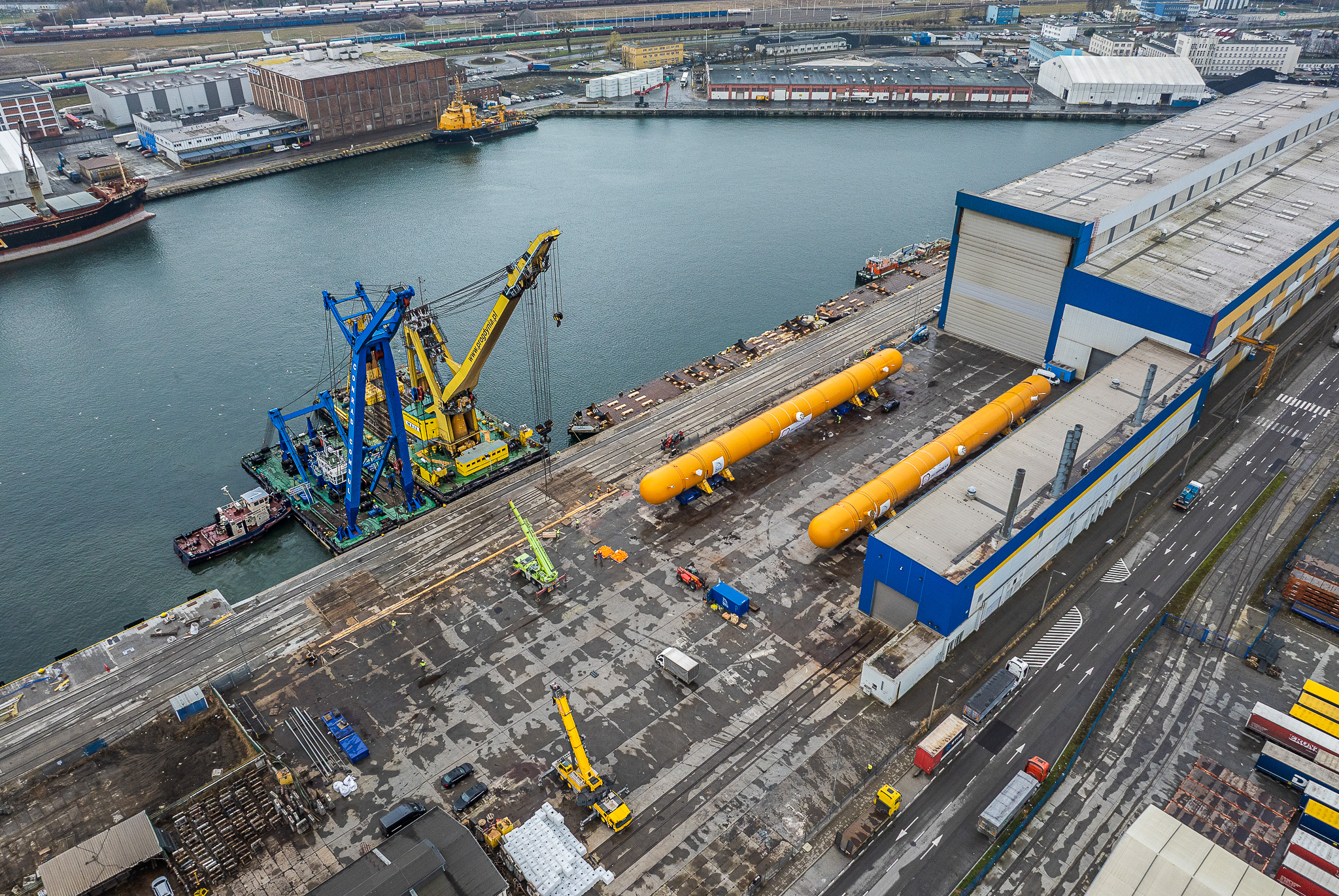
The propylene bullet tanks – each measuring 80 m x 9 m x 8.3 m and weighing 465 tons – were collected from the ZKS Ferrum fabrication facility in Gdynia. To prepare for transport, temporary supports and grillage were installed on the barges. The tanks were loaded using floating cranes and secured and fastened to supports and the deck structure as they were readied for transport to Płock.

Heavy lift crane loading 465-ton LPG storage tank onto barge at Gdynia fabrication facility in Poland

Under any circumstances, an operation of this scale requires meticulous planning, and this specific move was no exception. However, this project posed immediate and massive engineering challenges that tested the limits of inland water transport. Due to critical technological updates during the fabrication phase, the cargo was delayed and released later than UTC recommended. As a result, this pushed the project execution into a period where environmental and navigational conditions became severely compromised.

Aerial view of oversized LPG tank loading operation at ZKS Ferrum facility in Gdynia, Poland

Unprecedented Navigational Constraints

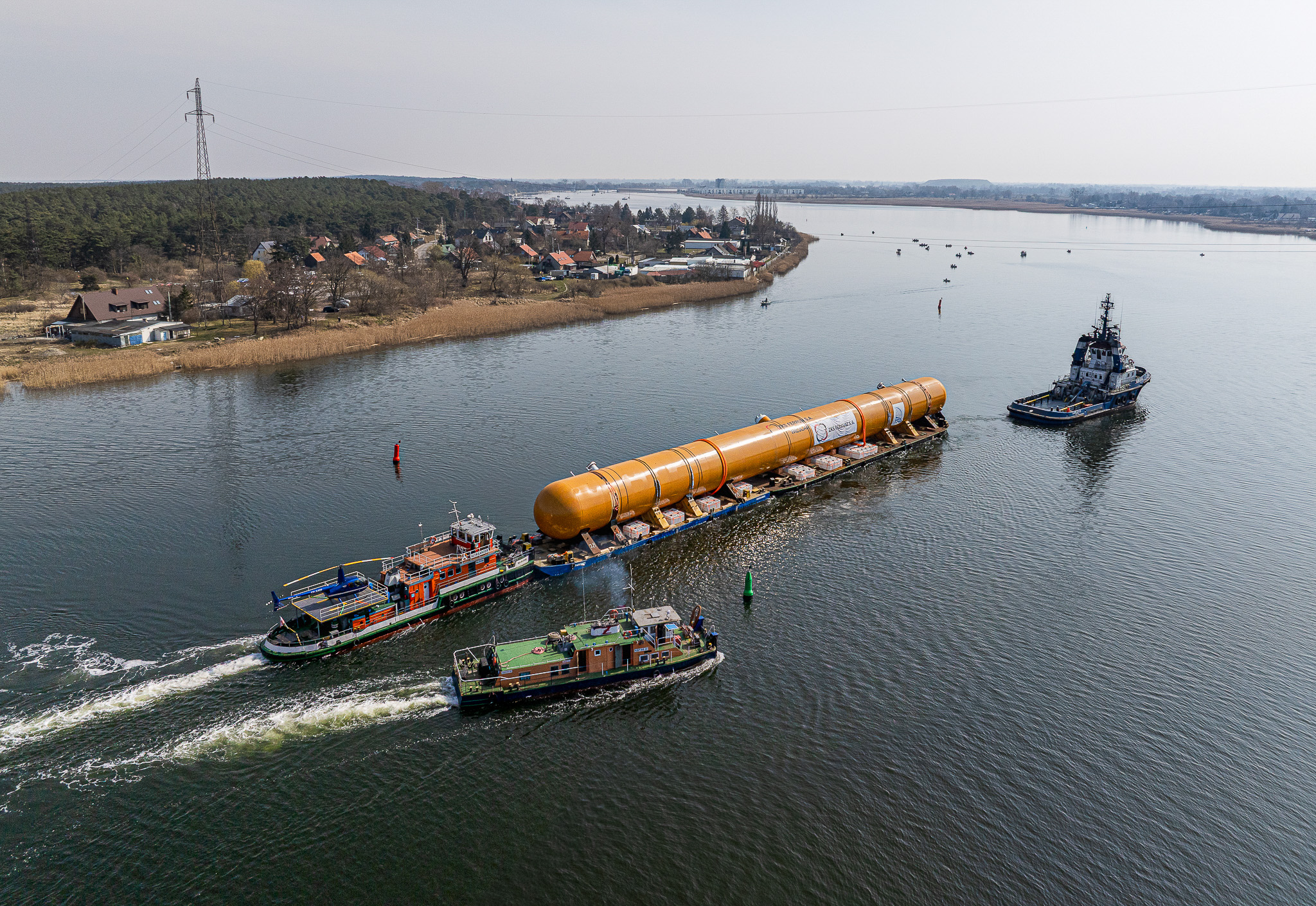
The mission faced its most critical phase as water levels on the Vistula began receding, reaching historic lows. That is when UTC’s team of experts showed their extreme engineering prowess. The reduced depth created unprecedented navigational constraints. The riverbed became a hazardous obstacle course with sandbars throughout that the barge had to navigate around. Operational speeds dropped from 11 km/h to 6 km/h. It became evident that the barges could simply not traverse the river without adapting and completely restructuring the transport plan.

Oversized LPG storage tanks transported by barge along the Vistula River during low water conditions

Engineering Innovation

To reduce draft and enable passage, UTC engineers customized, designed, and installed an advanced buoyancy system. There were 50 buoyancy tanks installed on each side of two connected barges. Each tank generated approximately 1.1 tonnes of buoyancy force. This critical solution saved the project and made the difference between grounding and safe navigation.

Deflection shields were installed to protect against submerged obstacles, and custom wooden supports, engineered and manufactured in-house, evenly distributed tank weight to prevent listing. Two connected barges were used to distribute the load and improve stability.


Overcoming Structural Obstacles

The LPG tanks presented yet another critical issue. The upper chimney assembly made the tanks too tall to pass under certain bridges and overhead wires along the route. UTC’s expert team again engineered a solution. Tanks were rolled onto their sides while secured to the barges, repositioning the chimneys. Once bridges and overhead obstacles were cleared, the tanks were rotated and returned to their upright position. This solution avoided any structural modifications while protecting the integrity of the tanks.

Heavy lift staging area with oversized LPG tanks and transport equipment at Polish port facility

Quick Operation Under Pressure

One of the most complex parts of the operation occurred when passing through the river locks. The additional buoyancy tanks made the barges too wide to clear the locks. Divers were employed to quickly dismantle the tanks before entering the locks. UTC’s team anticipated this occurrence and designed the system for quick disassembly while the load was still onboard. Precision scheduling and coordination were critical for this intricate maneuver. There were extreme space constraints, and timing was of the utmost importance to allow river traffic to proceed unimpeded.

Safe Arrival

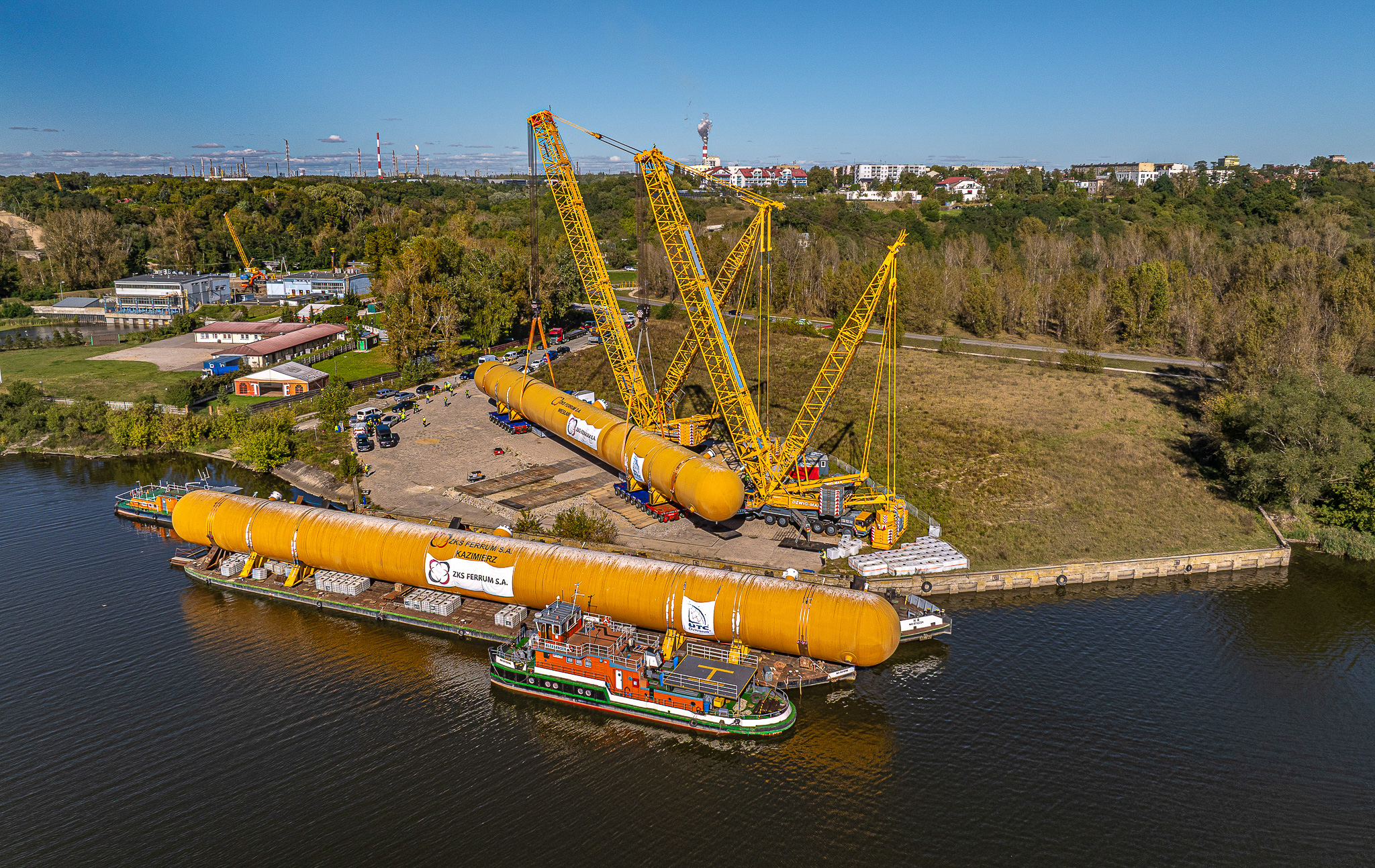
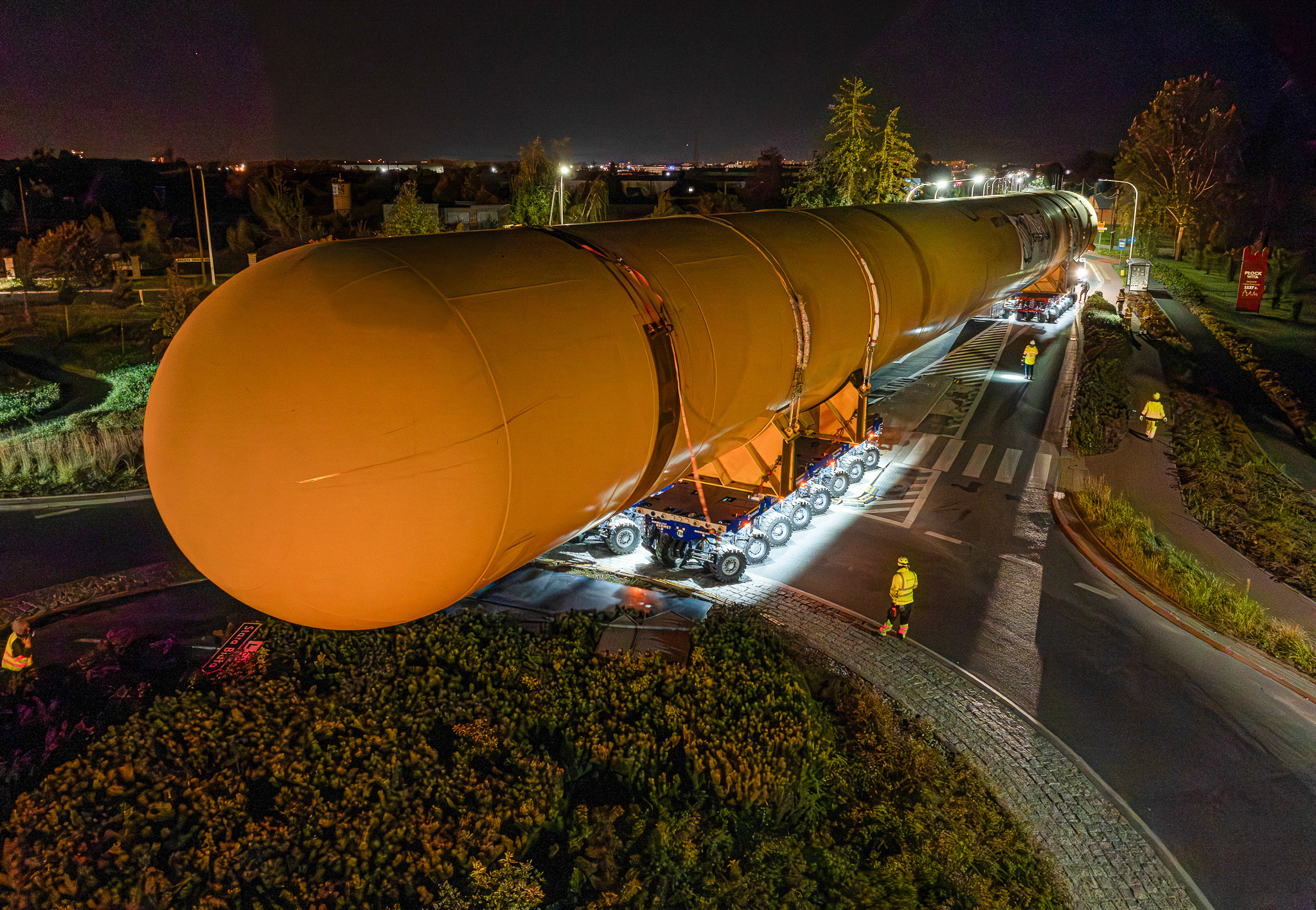
Once at the Płock quay, tanks were unloaded using a tandem lift with two cranes onto SPMT platforms. They were transferred to the Orlen refinery via Płockvia public roads. Laser scan modeling was employed to assess road conditions, identify obstacles, and validate clearances.

Once at the refinery, the transfer was completed using the internal road network. Tanks were rotated on rollers and positioned on sand banks at the designated installation site.

Twin crane lift transferring oversized LPG storage tank from barge to transport platform
Night transport of oversized LPG storage tank on self-propelled modular transporters in Poland

UTC’s Team In Action

The complexity of this project and the challenges faced were enormous, and UTC’s team of professionals rose to the occasion. Despite historic low water levels, space constraints at the locks, and navigational hazards, the project was completed safely and successfully. What was a formidable test of engineering expertise from day one evolved into a months-long demonstration of ingenuity and resilience in overcoming extreme conditions.

UTC's engineering team demonstrated not only deep technical expertise in handling oversized and heavy-lift cargo, but also the skill to adapt in real-time to rapidly changing conditions. Their ability to develop practical, innovative solutions under pressure ensured the integrity of the cargo in the most demanding environments.

UTC's rail logistics team has specialized knowledge of your equipment, allowing us to provide the most innovative and cost-saving logistics solutions.

Read More